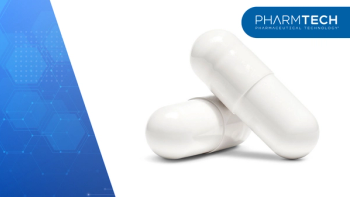
PharmTech spoke with Chiara Bergerone, deputy CEO of Roquette’s Health & Pharma Solutions Business, about the company’s hydroxypropyl methylcellulose (HPMC) capsule, which was previewed at CPHI Milan 2026 in October.
Partners will use an AI-enabled platform to discover new small molecules across different therapeutic areas.
Exscientia and GlaxoSmithKline (GSK) have entered into a collaboration to use artificial intelligence to discover new small molecule therapies for up to 10 disease-related targets.
Exscientia will receive research payments from GSK to undertake new discovery programs to deliver pre-clinical candidates. In addition to research funding, Exscientia is eligible for near-term lead and pre-clinical candidate milestones if objectives are met. The total amount payable by GSK to Exscientia on achieving these milestones is $42.6 million, if all 10 projects are advanced. No further financial details have been disclosed.
“Delivering efficiencies to drug discovery has the potential to revolutionize the way early projects are executed, enabling more dynamic target selections from the burgeoning set of opportunities. We look forward to a productive collaboration with GSK,” said Andrew Hopkins, CEO of Exscientia.
Because early stage drug discovery has not yet reaped the rewards of using Big Data and artificial intelligence, Exscientia will be given incentives to reduce the number of compounds required for synthesis and assay in order to achieve lead and candidate compound goals. The company will apply knowhow in medicinal chemistry and large-scale bio-assays, as well as its AI-driven algorithms to design novel molecules that fulfil the requirements of the lead and candidate criteria.