Outsourcing projects to CDMOs is becoming increasingly prevalent as drug
sponsors look to optimize their supply chain or conserve internal resources
for other projects. In 2021 alone, 46% of newly developed drugs were
outsourced. Drug sponsors can reap a variety of benefits by outsourcing
late-phase projects, but it comes with risks. The technology transfer that
must occur to transition a late-phase project to a CDMO is complex and
costly. The average cost of a tech transfer is around $1M, so partnering
with the wrong CDMO can be a costly mistake.
Jaenisch, Muraru, and Pandey discuss how regulators will audit pharma against its own AI policies and ways QA and regulatory teams can build defensible, inspection-ready AI practices.
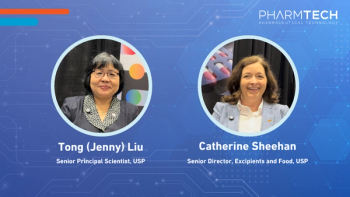
Mitigating nitrosamine risk requires assessing each product individually and chasing zero nitrite in pharmaceutical excipients is often impractical and costly.
In October, FDA reorganized rare disease development around a fit-for-purpose framework and a new pathway for individualized gene editing. Regulators in Europe and the UK set out long-term plans for clinical trials, AI, and moving away from animal testing.
Clinical, manufacturing, safety, and commercial teams all lean on shared data. They need to agree on who publishes each data product, who can use it, and what evidence goes with it.