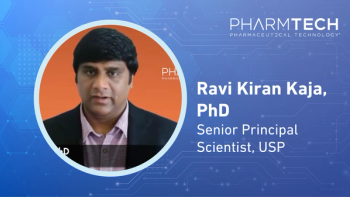
Polyimide materials, as Kapton®, are widely used for flexible electronics substrates or as insulators, thanks to their wide range of thermal stability as well as excellent dielectric and mechanical properties. However, there are limitations in their processability and employment in new technologies due to their low solubility and deep amber staining, resulting from charge transfer interactions established between polymer rigid chains. Currently, researchers are focusing on designing resins with excellent thermal and chemical stability, transparent and colorless with a high processability in terms of viscosity and solubility. However, balancing among all those properties for this class of materials remains a big challenge today, as some of these properties seem to exclude others. In this episode, the focus will be on aliphatic anhydrides, which play a key role for the final polyimide’s properties enhancement. This will be explained by B.Sc. Sara Greco, a chemist working on this topic (as part of her master's thesis) in the R&D department of Valsynthese, a Swiss CDMO specialized in hazardous chemistry.
Univar Solutions scientists developed a lidocaine cream built on starch, sorbitol, coconut oil, and beeswax that matched a commercial benchmark on viscosity, assay, and hydration.
Nate Edwards of Arya Consulting moderates a discussion with Elisabeth Gardiner of Tevard Biosciences and Donny Xu of the RTW Institute about the regulatory and manufacturing hurdles facing rare disease drug developers.
Jane Zhang of ETCH Sourcing explains why geopolitics, transparency, and partnership now weigh as heavily as cost and quality when companies choose suppliers, in this episode of Ask the Expert, moderated by Susan J. Schniepp of Nelson Labs.