Developing more effective chromatography resins for mAbs downstream processing is important ⏤ but it's not the only way to improve impurity clearance. In this study of the use of additives to enhance resin performance, two mAbs chromatography resins were examined. Both were used for a capture step, and additives were screened to reduce the nonspecific binding of impurities. The goal of the study was to optimize chromatography steps and thus increase the capacity and removal of impurities.
This week addressed AI accountability, CPHI award winners, NFC anticounterfeiting, first-in-class FDA approvals, and a shelved FDA voucher pilot lead this week’s roundup.
Cole and Jaenisch explain why defending against AI poisoning in pharma manufacturing calls for a data steward role, immutable instruction ledgers, and automation.
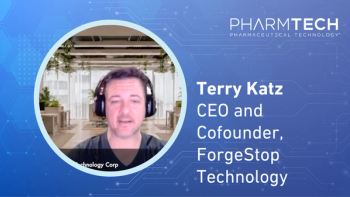
Terry Katz, CEO and co-founder of ForgeStop Technology Corporation, explains how the company’s product is worth the investment by protecting products and patients.
The FDA has shelved its National Priority Voucher pilot, leaving sponsors that built CMC and launch-readiness plans around 1- to 2-month reviews facing uncertain timelines.
Regulators will test pharma companies against their own internal AI policies. Jaenisch, Muraru, and Pandey explain how to build defensible, inspection-ready AI practices.
Terry Katz, CEO and co-founder of ForgeStop Technology Corporation, explains how its connected technology can enhance anticounterfeiting and how data are handled within the product.
Celtic Renewables won the CPHI Award for Sustainable Pharma Excellence for its green chemicals used in pharmaceutical manufacturing. Bettina Brierley, chief commercial officer, talks about the adoption, capacity, and pricing of biosolvents.