Artificial Intelligence (AI) is changing how biotech and pharmaceutical companies operate. Increased competition and an enhanced regulatory landscape are forcing drug manufacturers to eliminate waste, create efficiencies and squeeze every last bit of productivity out of existing processes. The benefits can be enormous. A three
percent increase in usable yield could increase revenue by millions of dollars. Pharma organizations that take advantage of AI/ML in GxP environments get better visibility into their manufacturing operations and can thereby optimize yields and predict anomalies thereby providing more to the market. We’ll explore where the industry is in its adoption of AI, what the challenges are in implementation that keep the pharma industry behind other industries, and explore case studies of those intrepid organizations who have worked through the challenges to implement and reap the benefits.
Mahmood Majeed, ZS, explains why measurable AI outcomes in pharma supply chain and manufacturing jumped from 29% to 53%, and how GMP limits and GxP validation shape adoption.
Univar Solutions scientists developed a lidocaine cream built on starch, sorbitol, coconut oil, and beeswax that matched a commercial benchmark on viscosity, assay, and hydration.
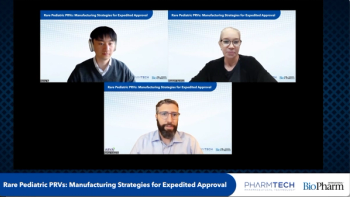
Nate Edwards of Arya Consulting moderates a discussion with Elisabeth Gardiner of Tevard Biosciences and Donny Xu of the RTW Institute about the regulatory and manufacturing hurdles facing rare disease drug developers.
Jane Zhang of ETCH Sourcing explains why geopolitics, transparency, and partnership now weigh as heavily as cost and quality when companies choose suppliers, in this episode of Ask the Expert, moderated by Susan J. Schniepp of Nelson Labs.