Iterion Therapeutics, a clinical stage biotechnology company, is dedicated to developing novel cancer therapeutics for a broad range of cancers. When Iterion’s lead product, Tegavivint, demonstrated low solubility in water, they needed a partner who could not only solve their bioavailability challenges, but also develop a scalable formulation with a viable manufacturing strategy. They turned to the experts at Lubrizol Life Science Health (LLS Health).
In this case study, you’ll learn how LLS Health combined its nanomilling expertise and GMP manufacturing capabilities to maximize bioavailability, improve patient experience, and take Iterion’s poorly soluble compound into clinical studies
Content on PharmTech.com this week ranged from fundamentals on the use of digital pathology in drug development, discussions on the use of AI in pharma, and regulatory actions impacting the industry.
This article discusses risk-based lifecycle governance, system implementation considerations, and the progression of batch record control from paper-based to fully electronic systems.
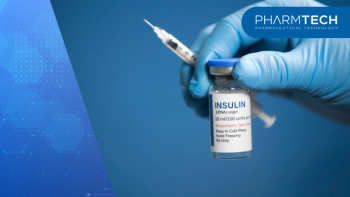
The FDA approves Lilly's once-weekly insulin efsitora for type 2 diabetes, raising Fc-fusion manufacturing, high-concentration pen, and capacity questions.
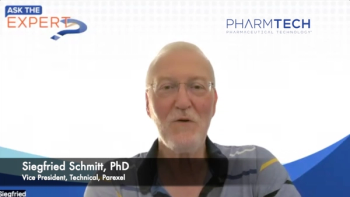
In this episode of Ask the Expert, Siegfried Schmitt, PhD, vice president, Technical at Parexel, and Susan J. Schniepp, distinguished fellow at Nelson Labs, discuss how companies should approach post-approval changes to their CMC regulatory filings.
The EC has approved AstraZeneca's Trixeo Aerosphere as the first single-inhaler triple-combination therapy for asthma in the EU, based on phase e data showing improved lung function and fewer severe exacerbations in patients uncontrolled on standard ICS/LABA treatment.
In this episode of Pharma Fundamentals, Dr. Aleksandra Zuraw, senior veterinary pathologist at Charles River, provides an introduction to the use of digital pathology in drug development.