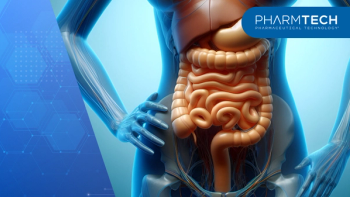
Large volume parenteral applications are characterized by high volume doses of a drug product, which are administered intravenously. Flexible bag systems, which contain a combination of different materials, are often used as container/closure systems. Definitions and regulatory requirements for extractables and leachables testing of large volume parenteral products, will be highlighted. Next, typical sources of extractables and leachables in flexible bag systems for parenteral use will be listed. Emphasis will be put on the specific challenges associated with large volume parenteral applications. Finally, some case studies regarding different designs of extractable studies will be discussed.
The FDA approves durvalumab for bladder cancer and gefurulimab for myasthenia gravis, creating distinct ADC, biologic, and autoinjector production needs.
Proposal for the Public Procurement Act, adoption of a new pharmaceutical legislation, and revision of pharmacovigilance practices should improve patient access to safe and innovative medicines in Europe.
This week addressed AI accountability, CPHI award winners, NFC anticounterfeiting, first-in-class FDA approvals, and a shelved FDA voucher pilot lead this week’s roundup.
Cole and Jaenisch explain why defending against AI poisoning in pharma manufacturing calls for a data steward role, immutable instruction ledgers, and automation.
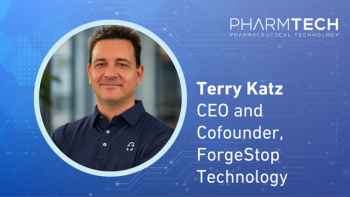
Terry Katz, CEO and co-founder of ForgeStop Technology Corporation, explains how the company’s product is worth the investment by protecting products and patients.
The FDA has shelved its National Priority Voucher pilot, leaving sponsors that built CMC and launch-readiness plans around 1- to 2-month reviews facing uncertain timelines.
Regulators will test pharma companies against their own internal AI policies. Jaenisch, Muraru, and Pandey explain how to build defensible, inspection-ready AI practices.