FDA final guidance defines when companion app output counts as drug labeling and when device-connected or standalone apps belong in prescribing information.
AstraZeneca is seeking approval for its anti-cancer monoclonal antibody, Imfinzi, for treating non-small cell lung cancer in the European Union.
The European Medicines Agency has accepted a marketing authorization application filed by AstraZeneca and MedImmune, AstraZeneca’s biologics research and development arm, seeking approval for Imfinzi (durvalumab) in treating non-small cell lung cancer (NSCLC), the companies announced on Oct. 9, 2017. This marks the first registrational submission for Imfinzi in the European Union, according to the companies.
The companies are specifically seeking marketing authorization for treating locally-advanced (Stage III), unresectable NSCLC in patients whose disease has not progressed following platinum-based chemoradiation therapy.
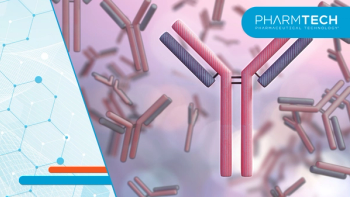
Imfinzi is a human monoclonal antibody (mAb) that blocks programmed death-L1 (PD-L1) interaction with PD-1 and CD80 on T cells and induces an immune response to tumors. It was approved in the US by FDA in May 2017 for treating locally advanced or metastatic urothelial carcinoma.
The biologic is also being investigated for the adjuvant treatment of NSCLC, for first-line treatment as monotherapy and/or in combination with tremelimumab, an anti-CTLA-4 mAb, for treating metastatic NSCLC.
Source: