News|Articles|July 18, 2022

EMA Publishes Guidance on Preventing Medicine Shortages

The European Medicines Agency guidance highlights key principles and examples of good practices to prevent and manage shortages of human medicines.

The European Medicines Agency (EMA) released guidance detailing guidelines for patient and healthcare professional organizations on the prevention and management of shortages of medicines for human use on July 15, 2022. Identifying shortages and reduced availability as an increasing issue that has been amplified by the COVID-19 pandemic. The guidance seeks to present key recommendations for these situations.

Recommendations have been prepared based on consultations with member organizations of the EMA Patients’ and Consumers’ Working Party and Healthcare Professionals’ Working Party.Many of these recommendations draw on existing practices and initiatives in individual European Union member states where the suggested practices have been implemented, often in isolation.

Some key recommendations from the guidance suggest that relevant organizations should:

  • Develop observatories in collaboration with national authorities to collect and analyze information from patients and healthcare professionals on shortages and their early signs;
  • Work with national authorities on criteria and ways to develop registries of essential and critical medicines;
  • Set up campaigns across the EU to raise awareness of shortages, where to find information on ongoing shortages, risks of stockpiling, and safe use of alternative medicines.

The full guidance can be read here.

Source: EMA


Related to this article

PharmTech Weekly Roundup—October 2, 2026
This week on PharmTech, Merck diversified its pipeline, USP emphasizes supply chain security, AI systems are examined, and speakers preview their presentations at CPHI Milan and AAPS PharmSci 360.
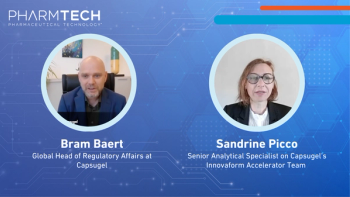
CPHI Milan 2026: Nitrosamine Risk Mitigation, Part 1
Capsugel's Bram Baert and Sandrine Picco argue that chasing zero nitrite in pharmaceutical excipients is often impractical and costly. They recommend setting scientifically justified, risk-based limits and consistently staying below them.
Regulatory Roundup—September 2026
The FDA opened an expedited IND pilot, tightened scrutiny of foreign trial data, and finalized a rule recognizing non-animal testing methods. In Europe, the EMA advanced pharmaceutical legislation reform, restricted 2 legacy products, and opened an injectable-iron safety review.
Pharma Logistician Using IoT Based On Blockchain | Image Credit: ©leowolfert -stock.adobe.com
Michael Levy, senior vice president, Digital & Innovation, USP, explains the digital supply chain in a preview of his upcoming CPHI Milan panel presentation, The Next Phase of Pharma Supply Chains.