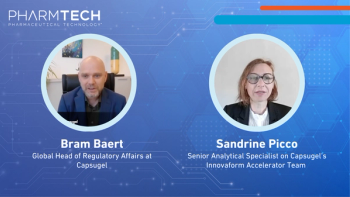
The company is showcasing new development solutions and advanced digital technologies including its new OSD Express and Steriles Express solutions for drug development.
The glass and chemical provider will expand its synthetic pharmaceutical intermediate and API production capacity at its plant in Chiba, Japan.
In a July 12, 2018 press release, AGC, a manufacturer of glass and chemicals, announced plans to expand facilities at its Chiba, Japan, site to increase the company’s synthetic pharmaceutical intermediate and API production capacity.
According to the company, the new capacity will increase production at the Chiba plant tenfold and is set to come online in October 2019.
Previously, AGC primarily provided contract development and manufacturing services for the development stage of new drugs, but this new expansion will allow the company to provide end-to-end capability to also produce commercial drugs, the company reports. Additionally, the new facilities will be capable of producing hard-to-handle active ingredients, such as the highly potent APIs typically used in cancer therapy.
Source: