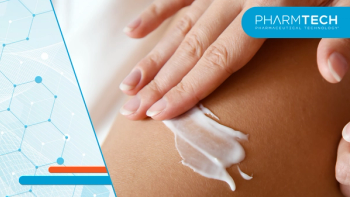
Univar Solutions scientists developed a lidocaine cream built on starch, sorbitol, coconut oil, and beeswax that matched a commercial benchmark on viscosity, assay, and hydration.
Modular Automated Sampling Technology (MAST) allows direct aseptic transfer of bioreactor samples to analytical devices, providing rapid and reliable data in bioprocessing.
Capsugel
MAST provides a modular system that is readily scalable and suitable for use throughout the product development process. The system instantaneously provides a wide range of information at the molecular level for media, cells and bioreactor products, allowing for rapid response to maintain optimum bioreactor conditions and maximize yields. Capsugel is also collaborating with several analytical equipment suppliers to integrate process analytical technology (PAT) tools into MAST for bioprocessing.
MAST provides for tailored system design and can be readily expanded with additional sampling modules as required. MASTconnect software allows for configurable, flexible, and user-friendly operation of the MAST system, with special modules for sample scheduling, sample navigation, and analytical data management.
Source: