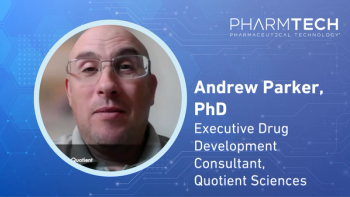
Andrew Parker, PhD, executive drug development consultant, Quotient Sciences, explains how AI is integrated into pharmaceutical development.
The companies will partner to further immuno-oncology research using humanized mice.
On Feb. 6, 2018, HemaCare, a provider of customized human-derived biological products and services for biomedical research and cell therapy, and Charles River Laboratories International, an early-stage contract research organization, announced a partnership to advance human immune system research by developing a more efficient and consistent method of working with humanized mice.
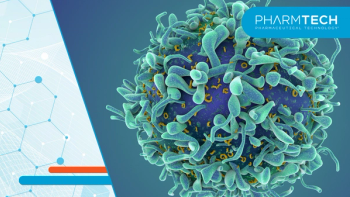
Under the partnership, HemaCare’s peripheral blood mononuclear cells (PBMCs) will be integrated into Charles River’s N-carbamyl-l-glutamate (NCG)/PBMC Select Humanization Kit. This kit provides both the NCG mouse and vials of pre-selected human PBMCs, allowing the researcher to efficiently develop the humanized mouse model.
Researchers often face the challenge of the engraftment of human PBMCs, which allows for development of human immune systems, varying with each PBMC donor, according to HermaCare. By evaluating human PBMCs from donors in advance, optimal donors can be identified, pre-qualified, and their cells included in the humanized mouse model kit. The humanized mouse can potentially help avoid weeks of additional work needed to qualify PBMC donor cells, as stated by HemaCare.
“In drug discovery and development, humanized mouse models have emerged as an essential tool in researching novel therapies for patients,” said Iva Morse, corporate vice president, chief scientific officer, global risk management solutions at Charles River, in a company press release. “We’ve formed a strategic alliance with HemaCare because they have one of the largest donor databases in the world, an FDA-approved collection center, and the ability to pre-screen and qualify the donors.”
Source: