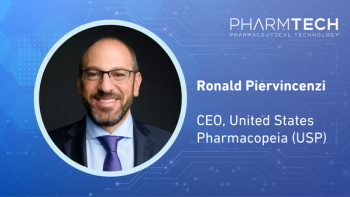
This week on PharmTech, Merck diversified its pipeline, USP emphasizes supply chain security, AI systems are examined, and speakers preview their presentations at CPHI Milan and AAPS PharmSci 360.
A Q&A with Erik van den Berg, CEO of AM-Pharma, on recent industry trends.
PharmTech:
How has the increasing focus on biopharmaceuticals affected your business?
Van den Berg:
AM-Pharma is solely focused on biopharmaceuticals. We have established proof-of-concept data with bovine alkaline phosphatase in the treatment of acute kidney injury. Now, we will manufacture recombinant human alkaline phosphatase and perform subsequent clinical studies with this recombinant material.
PharmTech:
How will the industry remain innovative as it reduces spending on research?
Van den Berg:
The large pharmaceutical companies have become dependent on external R&D. More than 50% of the clinical pipeline is derived from small biotech or academia. The reduced spending on research should be supplemented with higher investment in development and acquisition/licensing expenses.
PharmTech:
Do you see a new industry trend emerging?
Van den Berg:
The industry trend is towards more and more outsourcing of development activities.
PharmTech:
How is your company responding to regulators' intensifying emphasis on inspections and product quality?
Van den Berg:
Our quality system is aligned with industry expectations, which means that collaborations are managed by quality agreements and involve regular inspections. In addition, we maintain contact with the regulatory authorities early on in the development program to include their requests and recommendations.
over 14 years ago
Pharmaceutical Technology, April 2012 Issue (PDF)over 14 years ago
Navigating the Equipment and Machinery Marketover 14 years ago
Evaluating Impurities in Drugs (Part III of III)over 14 years ago
Scale-up Challenges in Hot-Melt Extrusionover 14 years ago
In the Spotlight April 2012over 14 years ago
A Look at INTERPHEX 2012over 14 years ago
A Sustainable Biotech Pathover 14 years ago
Ways to Recover Lost Marginsover 14 years ago
Managing Product Supply Risks