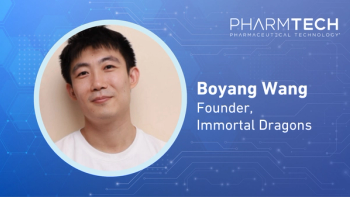
Boyang Wang, Immortal Dragons, explains how FDA’s Expedited IND Pilot and research partners could speed serial steps to first-in-human trials compared to China’s 818 Decree.
In this episode of the Ask the Expert video series, Simona Guidi, Associate Director, Cell and Gene Therapies at ProPharma, discusses the options available for controlling adventitious contamination in cell processing and the use of closed processing systems for cell therapy production.
In this episode of the Ask the Expert video series, Simona Guidi, Associate Director, Cell and Gene Therapies at ProPharma, discusses the options available for controlling adventitious contamination in cell processing and the use of closed processing systems for cell therapy production.
To control adventitious contamination, variables that occur from operators, the environment, the process, and the process materials must be considered when dealing with extensive manipulation, Guidi says. “It's important to implement a combination of preventive measures, monitoring tools, and an efficient contamination control strategy. About the personnel, it should be noted that operators are the main source of bacterial and viral contamination. It would be a serious mistake to underestimate this factor, and I recommend investing a significant amount of time in training staff on aseptic procedures, adopting an open minded and non-judgmental approach. Cleaning and maintenance operators should also be approached in the same way so that they acquire the necessary awareness to mitigate the risk of advantageous contamination that they themselves could carry.”
Click the video above to watch Simona answer the following questions:
About the expert
Ms. Guidi has supported multiple ATMP facility teams in securing their first manufacturing authorizations for somatic cell therapy, gene therapy, and tissue-engineered products, both in EU and non-EU countries, for clinical and commercial use.
Throughout her career, she has collaborated with design teams of ATMP manufacturing facilities to evaluate compliance with EU and US GMP standards. She has also played a key role in remediation efforts following EMA and FDA inspections, helping sites achieve GMP and GMO compliance.
Ask the Expert Video Series
Welcome to the Ask the Expert video series. This series is an extension of the PharmTech Group’s long-running print column in which industry experts answer common quality and regulatory questions from the industry. This new video series will expand on topic areas to include development and manufacturing concerns to help those working in the industry better understand bio/pharmaceutical requirements. Have a question you would like answered? Send it to
We hope you enjoy the discussion!