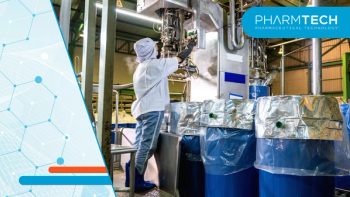
In this project, Thermo Fisher Scientific worked with a multinational biopharmaceutical company to investigate trace element variability in its custom cell culture media. Within a year, using a risk-based, collaborative approach, both teams were able to thoroughly characterize incoming specific raw materials and implement proactive measures for reducing the risk of impurities, ultimately providing the company with a long-term risk mitigation strategy.
This week addressed AI accountability, CPHI award winners, NFC anticounterfeiting, first-in-class FDA approvals, and a shelved FDA voucher pilot lead this week’s roundup.
Cole and Jaenisch explain why defending against AI poisoning in pharma manufacturing calls for a data steward role, immutable instruction ledgers, and automation.
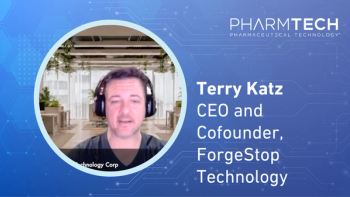
Terry Katz, CEO and co-founder of ForgeStop Technology Corporation, explains how the company’s product is worth the investment by protecting products and patients.
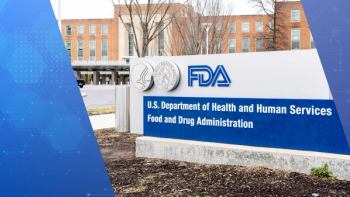
The FDA has shelved its National Priority Voucher pilot, leaving sponsors that built CMC and launch-readiness plans around 1- to 2-month reviews facing uncertain timelines.
Regulators will test pharma companies against their own internal AI policies. Jaenisch, Muraru, and Pandey explain how to build defensible, inspection-ready AI practices.
Terry Katz, CEO and co-founder of ForgeStop Technology Corporation, explains how its connected technology can enhance anticounterfeiting and how data are handled within the product.
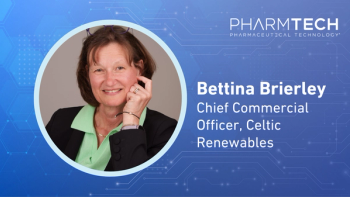
Celtic Renewables won the CPHI Award for Sustainable Pharma Excellence for its green chemicals used in pharmaceutical manufacturing. Bettina Brierley, chief commercial officer, talks about the adoption, capacity, and pricing of biosolvents.