
International Conference on Harmonization Hosts a Series of New Training Sessions
International Conference on Harmonization Hosts a Series of New Training Sessions
On Mar. 23, 2011, sanofi-aventis offered $7 billion in notes to fund its acquisition of Genzyme. The notes are offered in six tranches scheduled to come due between 2012 and 2021, and the interest rates range from 0.05% to 4%.
AstraZeneca has been informed that the UK and US governments? tax authorities have agreed to the terms of an advance-pricing agreement regarding transfer-pricing arrangements for AstraZeneca?s US business for the 13-year period from 2002 to the end of 2014.
US Pharmacopeia Seeks Scientists for its 2011-2012 Fellowship Program
The Bulk Pharmaceutical Task Force (BPTF) of the Society for Chemical Manufacturers and Affiliates (SOCMA) and the European Fine Chemicals Group (EFCG) of the European Chemical Industry Council (CEFIC) are calling on FDA to mandate inspections of foreign active pharmaceutical ingredient (API) manufacturing sites with the cost borne by those sites being inspected. Both organizations have indicated a willingness to pay fees for these inspections when performed on their member-owned facilities that are located outside the United States.
FDA issued a draft guidance for industry on Mar. 11, 2011, titled User Fee Waivers, Reductions, and Refunds for Drug and Biological Products, that offers recommendations to applicants seeking such actions under the Federal Food, Drug, & Cosmetic Act (FD&C Act). A similar draft guidance was issued in July 1993. The new document clarifies the types of waivers, refunds, and reductions available under the user-fee provisions of the FD&C Act as well as the procedures for handling these requests, including how to appeal an FDA decision.
Last Tuesday, the US Senate approved the "America Invents Act," which is intended to reform the nation ’s patent system. If it becomes law, the bill will establish a first-to-file system by defining an invention ’s effective filing date as the actual filing date of the patent or patent application.
FDA and EMA Announce Joint Pilot Program
Last Thursday, FDA filed a consent decree of permanent injunction against McNeil, a subsidiary of Johnson & Johnson, for failing to comply with current good manufacturing practice requirements. The action prevents McNeil from manufacturing and distributing drugs from its Fort Washington, Pennsylvania, facility until FDA determines that its operations comply with the law.
Japan has suspended the use of two pediatric vaccines made by Pfizer and sanofi following the deaths of four children in three days.
AstraZeneca announced this week that it will discontinue the production of Pulmicort (budesonide) 100 and 200 µg/dose HFA (hydrofluoroalkane) pressurized metered-dose inhaler (pMDI) due to manufacturing issues related to technical aspects of the device, which prevents the ongoing manufacture of the product.
FDA Posts PDUFA Meeting Minutes
FDA announced on Mar. 2, 2011, that it is taking action against companies that manufacture, distribute, or market certain unapproved prescription oral cough, cold, and allergy products, according to an agency release.
A number of European public health and transparency campaigners believe that conflict of interest rules may have been breached with the EMA's decision to allow its former Executive Director, Thomas Lönngren, to take up an advisory role within the private pharmaceutical sector.
The European Organization for Rare Diseases (EURORDIS), an alliance of patient organizations and individuals, celebrated its fourth Rare Disease Day on February 28.
FDA and Georgetown University Form Innovation Partnership
Ongoing Free Trade Agreement (FTA) negotiations between the EU and India have hit a hurdle as some stakeholders urge the Indian government to fight against certain provisions in the FTA amid fears that access to generic drugs may be affected.
FDA recently sent sanofi-aventis two Warning Letters for its facilities in Frankfurt am Main, Germany, and Bridgewater, NJ.

What to do when your CMO changes the manufacturing equipment line.

The 2011 show presents ideas for package designs and equipment options for packaging lines.

Indian manufacturers are not a near-term threat to Western CMOs, but may be long term.
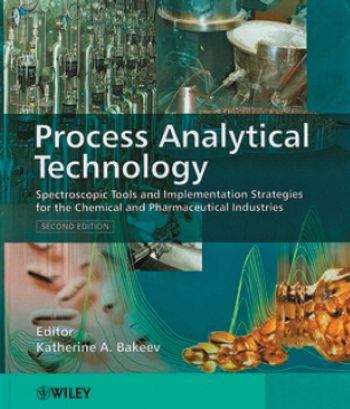
A revised book on process analytical technology could be valuable to novices and experts.

Brazil develops its first national plasma fractionation plant.
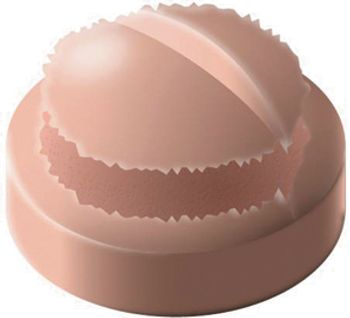
A single, global tooling standard would offer many benefits, but one has been slow to emerge.
The author describes key considerations for drug manufacturers when evaluating packaging partners.