Developers of innovative drug products dealing with protein formulations, nucleotide-based drugs, peptides, and poorly soluble molecules, face significant challenges in achieving efficient and scalable manufacturing solutions. Spray drying has emerged as a powerful and versatile manufacturing technology. It offers significant advantages for stabilizing complex and sensitive drug molecules while optimizing production processes. Join our panel of experts as they explore how spray drying can be applied to enhance the stability, bioavailability, and manufacturability of various molecules, including peptides, oligonucleotides, small molecules, monoclonal antibodies, and nutraceuticals. This session will cover the latest innovations in spray drying technology, and provide valuable insights into formulation development, process parameters optimization, and large-scale production. Attendees will also learn how to maintain molecular integrity during the spray drying process and leverage in-silico tools to streamline commercialization.
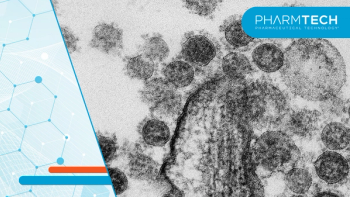
The FDA’s new CBER Safety Council separates post-market biologics safety review from approvals, raising oversight for cell and gene therapy developers.
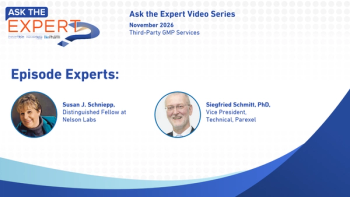
Despite best efforts to ensure a contract organization is following GMPs, a warning letter is issued by the FDA. Susan J. Schniepp, distinguished fellow at Nelson Labs, and Siegfried Schmitt, PhD, vice president, Technical at Parexel, provide advice for create a robust supplier selection and oversight system.
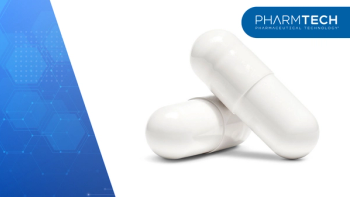
PharmTech spoke with Chiara Bergerone, deputy CEO of Roquette’s Health & Pharma Solutions Business, about the company’s hydroxypropyl methylcellulose (HPMC) capsule, which was previewed at CPHI Milan 2026 in October.
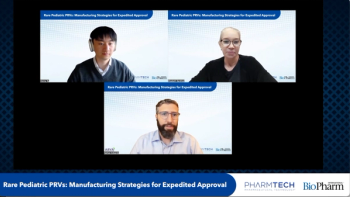
Nate Edwards of Arya Consulting, Elisabeth Gardiner of Tevard Biosciences, and Donny Xu of the RTW Institute discuss global competition for rare disease therapies.
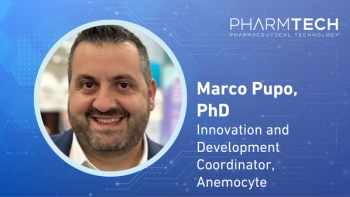
Marco Pupo, PhD, innovation and development coordinator at Anemocyte, discusses the R&D-to-GMP transition and the changing shape of mRNA manufacturing facilities.