
News|Articles|November 20, 2026

Gene Therapy Developers Face New Postmarket FDA Safety Council

Listen
0:00 / 0:00

Key Takeaways

  • Establishes an internal, structurally independent post-approval safety function within CBER, separating safety signal adjudication from the offices responsible for initial licensure decisions.
  • Consolidates authority to recommend labeling changes, risk-mitigation measures, post-market study requirements, and potential withdrawals based on emergent benefit–risk reassessments.
SHOW MORE

The FDA’s new CBER Safety Council separates post-market biologics safety review from approvals, raising oversight for cell and gene therapy developers.

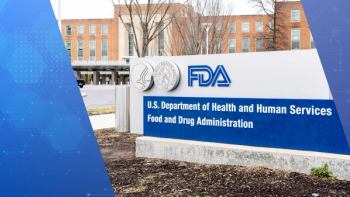
On November 19, 2026, the FDA set up a new internal body to oversee the safety of approved biologics, named the Center for Biologics Evaluation and Research (CBER) Safety Council.1 The move puts post-market safety review in a structure separate from the offices that approve those products. It sits within CBER and reports directly to the center’s director. It covers products such as vaccines, gene therapies, and blood products once they reach the market.

The council replaces CBER’s existing Safety Working Group.1 It brings together senior scientific and regulatory officials to review safety signals, conduct benefit-risk assessments, and recommend regulatory action when warranted. Its mandate covers:

  • emerging safety concerns
  • potential labeling changes
  • risk-management measures
  • safety-related post-market studies
  • advice on possible market withdrawals

Why Does Separating Safety Review From Approval Matter?

For sponsors, the biggest change may be structural.1 A body that operates independently of the office that approved a product will now evaluate that product’s post-market safety signals. The FDA presented the council as a way to improve accountability and transparency as biologics become more complex. This is especially true in cell and gene therapy, which has seen rapid regulatory expansion in recent years.

That expansion has been visible throughout 2026.2 In June, the FDA issued draft guidance that lets gene therapy developers leverage prior CMC, nonclinical, or clinical information to increase review efficiency, without lowering evidentiary standards for safety and effectiveness. In October, the agency followed with draft guidance on individualized genome editing products.3 Under that guidance, a single license can cover therapies whose design differs from patient to patient. “This guidance represents a critical step forward in FDA’s efforts to support the development of individualized therapies for patients with rare genetic diseases,” said Karim Mikhail, B. Pharm., MS, Director of CBER, in a press release.3 “By providing a clear and scientifically rigorous framework for BLA submission and postapproval management, we are helping to ensure that patients—including those with ultrarare conditions for whom no treatment currently exists—can more efficiently access therapies that may be life-changing.”

Frameworks that speed products to market tend to shift more of the evidence burden to the period after approval, and the new council appears built to carry that load.1

What Should Cell and Gene Therapy Developers Expect?

Companies with products already on the market should expect their post-approval commitments to get closer, more centralized scrutiny.1 Recent approvals show how much of the evidence base now sits after launch. Ultragenyx’s Genglycos, approved for glycogen storage disease type Ia, comes with a 10-year disease monitoring program following 50 treated patients and 20 untreated controls.4 Its label also carries boxed warnings common to adeno-associated virus gene therapies: hypersensitivity reactions, immune-mediated liver toxicity, and adrenal insufficiency linked to the corticosteroid regimen. In July, FDA approved Casgevy for children as young as 2 with sickle cell disease or transfusion-dependent beta thalassemia.5 That kind of expansion into broader patient populations is exactly what the council is meant to watch.

For developers still in the clinic, the implications look further ahead.1 Regulators are under growing pressure to monitor newer biologics after approval, when patient populations become far broader than those studied in trials. Sponsors may benefit from designing risk-management plans, long-term follow-up protocols, and pharmacovigilance systems with a dedicated safety reviewer in mind, rather than adding them late in development. Manufacturing and quality teams should also consider that signals linked to product quality or post-approval process changes could now go through a formal benefit-risk review.

The council will coordinate with the CDC and the National Institutes of Health. It will draw on surveillance systems including the Vaccine Adverse Event Reporting System and FDA’s Sentinel program.1 It is still unclear how these tools will be applied to cell and gene therapies, which are often given to small patient groups. The forthcoming structural details may start to answer that.

References

  1. FDA sets up council for post-market review of vaccines, gene therapies. Reuters. November 19, 2026. Accessed November 20, 2026. https://www.reuters.com/legal/litigation/fda-sets-up-council-post-market-review-vaccines-gene-therapies-2026-11-19/
  2. Haigney S. FDA guidance for accelerating gene therapies for rare diseases. Pharmaceutical Technology. June 2, 2026. Accessed November 20, 2026. https://www.pharmtech.com/view/fda-guidance-for-accelerating-gene-therapies-for-rare-diseases
  3. US Department of Health and Human Services. FDA and CMS announce new steps to advance gene therapies and expand access for patients with rare diseases. October 27, 2026. Accessed November 20, 2026. https://www.hhs.gov/press-room/fda-cms-advance-gene-therapies-rare-diseases-patient-access.html
  4. Ultragenyx announces U.S. FDA approval of GENGLYCOS™ gene therapy, the first-ever FDA-approved treatment designed to treat the underlying cause of glycogen storage disease type Ia (GSDIa). News release. Ultragenyx Pharmaceutical Inc. August 19, 2026. Accessed November 20, 2026. https://ir.ultragenyx.com/news-releases/news-release-details/ultragenyx-announces-us-fda-approval-genglycostm-gene-therapy
  5. FDA approves first gene therapy for young children with sickle cell disease. News release. FDA. July 1, 2026. Accessed November 20, 2026. https://www.fda.gov/news-events/press-announcements/fda-approves-first-gene-therapy-young-children-sickle-cell-disease

Related to this article