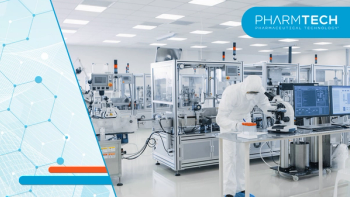
When establishing or expanding services to support new drug development, pharmaceutical and biotech companies find that automating their processes increases efficiency, maximizes capital, reduces
costs, and expedites time-to-market.
Mitigating nitrosamine risk requires assessing each product individually and chasing zero nitrite in pharmaceutical excipients is often impractical and costly.
In October, FDA reorganized rare disease development around a fit-for-purpose framework and a new pathway for individualized gene editing. Regulators in Europe and the UK set out long-term plans for clinical trials, AI, and moving away from animal testing.
Clinical, manufacturing, safety, and commercial teams all lean on shared data. They need to agree on who publishes each data product, who can use it, and what evidence goes with it.
The FDA approves VOCERYQ, the first DNA medicine, for RRP surgery reduction, raising plasmid, drug-device, and confirmatory trial manufacturing demands.