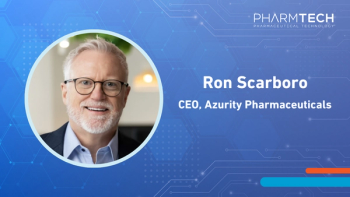
Ron Scarboro, Azurity Pharmaceuticals, explains how cross-functional development, disciplined reformulation, and post-approval metrics can help proven medicines work in everyday use.
Lilly is set to acquire Merida Biosciences for up to $2.875B, gaining a precision autoantibody-degrading platform led by phase 1 candidate MER511.
On August 31, 2026, Eli Lilly announced it has entered a definitive agreement to acquire Merida Biosciences, a biotechnology company developing precision therapeutics for autoimmune and allergic diseases.1 The deal values Merida at up to $2.875 billion, including an upfront payment and contingent milestone payments. The transaction is subject to customary closing conditions, including regulatory approvals, and is expected to close in the fourth quarter of 2026.
Merida's platform is built around biologics designed to selectively degrade pathogenic autoantibodies, the disease-causing agents underlying a range of immune-mediated conditions.1 Rather than broadly suppressing immune function, as many existing therapies do, the approach targets the specific antibodies responsible for disease activity while preserving normal immune responses.
Merida's most advanced candidate, MER511, is in phase 1 development for Graves' disease and thyroid eye disease, both driven by thyroid-stimulating immunoglobulins that activate the thyroid-stimulating hormone receptor.1 Graves' disease affects an estimated 3 million people in the United States and carries elevated cardiovascular risk and mortality. Between roughly 25% and 40% of patients with Graves' disease go on to develop thyroid eye disease, which can cause pain, disfigurement, and, in severe cases, vision loss. Existing approved treatments for both conditions do not directly address the underlying autoantibodies. Initial phase 1 data showed MER511 produced substantial reductions in these pathogenic antibodies alongside a favorable early safety profile.
Beyond the lead program, Merida's pipeline includes MER769, a preclinical candidate for food allergy, asthma, and chronic spontaneous urticaria, along with earlier-stage work in immune-mediated kidney diseases such as membranous nephropathy.1
"We're building our pipeline around therapies that meaningfully change the course of disease, not just its downstream effects. Merida's lead program is designed to do exactly that: selectively and directly eliminating the autoantibodies causing Graves' disease and thyroid eye disease, while preserving normal immune function, with initial phase I data already pointing to the potential for improved efficacy and safety," said Francisco Ramírez-Valle, senior vice president, Lilly immunology research and early clinical development, in a press release.1
"Merida was founded to fundamentally change how autoimmune and allergic diseases are treated, by targeting the antibodies driving them directly, rather than suppressing the immune system broadly. Under our CSO and founder Dario Gutierrez's scientific leadership, our team has advanced that idea from concept to clinical data, and what we've seen so far reinforces our conviction that this approach can make a meaningful difference for patients," said Adam Townsend, CEO, Merida.1
The Lilly-Merida transaction arrives alongside another industry move by Samsung Biologics.2 Through its subsidiary, Samsung Peptide AG, it has published its formal tender offer prospectus to acquire PolyPeptide Group, a peptide-focused contract development and manufacturing organization. The all-cash offer values PolyPeptide at approximately CHF 1.46 billion ($1.8 Billion), with PolyPeptide's largest shareholder already committed to tendering its stake. The main offer period runs from September 15 to October 12, 2026. For manufacturing professionals, the deal underscores sustained consolidation among peptide and biologics contract development and manufacturing organizations (CDMOs) as demand for GLP-1 and other peptide-based therapeutics continues driving capacity expansion across the contract manufacturing landscape.
Both transactions point to the same underlying dynamic: capital continuing to flow toward specialized platforms and capacity, even as broader dealmaking activity fluctuates.1,2 Lilly's acquisition signals continued investment in precision immunology as an alternative to broad immunosuppression, with implications for process development, since antibody-engineering platforms often require distinct upstream and downstream manufacturing considerations compared with conventional monoclonal antibody production. The Samsung Biologics-PolyPeptide transaction reflects a parallel trend on the contract manufacturing side, where consolidation among peptide-focused CDMOs is accelerating as demand for GLP-1 and other peptide therapeutics strains existing capacity.
The deals place pressure on technical operations and manufacturing teams from 2 directions: internal groups preparing for rapid scale-up of newly acquired platform technologies, and external CDMO partners consolidating to meet demand in high-growth modalities.1,2 As both transactions move toward their expected fourth-quarter closes, further detail on manufacturing integration, facility strategy, and regulatory pathway will be worth watching, particularly given how closely capacity planning and platform innovation are becoming linked across the industry.
References