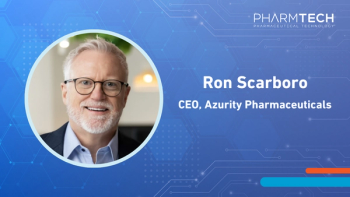
Ron Scarboro, Azurity Pharmaceuticals, explains how cross-functional development, disciplined reformulation, and post-approval metrics can help proven medicines work in everyday use.
Servier and the Belgium-based biotechnology company Galapagos are embarking on a multiyear strategic alliance to develop new cancer therapies. As a result of the alliance, Galapagos could receive milestone payments of more than EUR 250 million ($332 million).
Servier and the Belgium-based biotechnology company Galapagos are embarking on a multiyear strategic alliance to develop new cancer therapies. As a result of the alliance, Galapagos could receive milestone payments of more than EUR 250 million ($332 million).
The alliance will build on a combination of novel oncology targets from both companies. Galapagos will be responsible for the discovery and development of new candidate drugs, and Servier will have the exclusive option to license each small-molecule program after Galapagos has completed preclinical development. In exercising this option, Servier will be responsible for further clinical development, registration, and commercialization. However, Galapagos will retain exclusive rights for clinical development, registration, and commercialization in the US.
“In this new alliance, Servier and Galapagos combine both their oncology targets and their capabilities in cancer drug discovery,” said Onno van de Stolpe, CEO of Galapagos, in a
Galapagos will receive research access payments of EUR 2 million ($2.65 million) from Servier and will also be eligible for discovery, development, regulatory, and other milestone payments that could reach EUR 260 million ($345 million), plus royalties, upon commercialization of products by Servier.
“Based on the progress made already in our osteoarthritis collaboration with Galapagos, we are convinced of Galapagos’s ability to deliver new cancer drugs based on novel targets. This alliance complements our very innovative cancer pipeline,” said Emmanuel Canet, Head of R&D at Servier, in the press statement.