

The transaction is expected to close in the third quarter of 2023.
The transaction is expected to close in the third quarter of 2023.

Researchers at the University of Waterloo have developed a liquid-liquid encapsulation system for use in sustainable encapsulation processes.

Eli Lilly & Company will pay Verve Therapeutics up to $525 million to advance a lipoprotein gene editing research program.

The new facility also provides a plan for scalable product production processes that can potentially be replicated by Vaxxas domestically and globally.
Michael Schrader, CEO and co-founder of Vaxess, discusses the latest on vaccine administration and different ways the pharmaceutical industry can distribute these products with Pharmaceutical Technology editor Jill Murphy.

There is concern that debates will delay the five-year reauthorization of PEPFAR under review by Congress.

Advanco’s acquisition of Vantage Consulting Group boosts its position as a provider of independent pharmaceutical serialization solutions.

The collaboration between the Pistoia Alliance and Matador Japan will work to accelerate research and promote access to a global pharmaceutical ecosystem.
The bioreactor scaler tool helps scaling between development and manufacturing and to de-risk scaling activities and ensure product quality.
The integration of the binders into a routine lateral flow test will support the clinical and commercial development of rapid diagnostics for Alzheimer’s disease through nasal sampling.

Mendus and NorthX Biologics will work to develop and commercialize Mendus’ lead asset, vididencel, an allogeneic dendritic cell vaccine.

Charles River’s off-the-shelf lentiviral vector packaging plasmids are intended for use with cell and gene therapies.
The investment, which is taking place in Hillerød, Denmark, will aim to create more production capacity and increase the company’s ability to meet future market demands and to continue development on its future clinical late-phase product portfolio.

The deal, valued at more than $2 billion dollars, will see Quell Therapeutics develop various T-regulatory cell therapies for AstraZeneca.
The new excipients manufacturing facility is expected to be completed in 2025.
The merger agreement states that Novartis will acquire all the shares of Chinook through a subsidiary for a price of $40 per share in cash at closing.
World leaders have set ambitious goals to respond more swiftly to the next pandemic, including the US goal to design, test, and review a new vaccine just 100 days after a pandemic declaration.
This will allow industry leaders to make and sell the product, in addition to providing more choice to pharma and biotech companies.
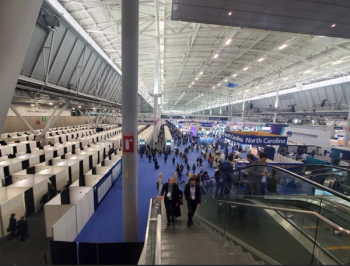
BIO is a powerful business development conference that can help make a lot of deals become reality.
The collaboration between Samsung Biologics and Pfizer will focus on long-term biosimilars manufacturing.

The complaint alleges that Medicaid price controls implemented in the Inflation Reduction Act will negatively impact biopharmaceutical innovation.
Sartorius and Waters will collaborate to develop integrated analytical solutions for downstream biomanufacturing.
The document builds on key concepts outlined in ICH E8(R1) General Considerations for Clinical Studies.
Domino Data Lab's expanded platform includes a new project hub, additional cloud offerings, and the Model Sentry solution suite.
Under the €35 million (US$37 million) investment, MilliporeSigma will expand its sites in Glasgow and Stirling, Scotland, to increase biosafety testing for drug development and commercialization.
invoX Pharma has made a second tranche of investment in pHion Therapeutics to support further development of next-generation mRNA vaccines.
Lonza will gain access to R&D capabilities, including payload and site-specific linker technology, through its acquisition of ADC company, Synaffix.
In this episode, Siegfried Schmitt, vice president, Technical at Parexel, discusses the state of biopharma investment in 2023.
Reimbursement for Alzheimer's medicines still will occur only with the completion of studies to support full FDA approval.
Adamis Pharmaceuticals announced the closing of its merger with DMK Pharmaceuticals on May 25, 2023.