

Lilly acquires three biotech firms for up to $3.83 billion, targeting vaccines that may prevent not just infection but also downstream neurological and oncological disease.
Lilly acquires three biotech firms for up to $3.83 billion, targeting vaccines that may prevent not just infection but also downstream neurological and oncological disease.
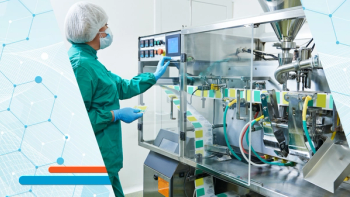
Pharmaceutical serialization must evolve from regulatory compliance into operational intelligence, addressing hidden failures like exception overload, certificate expiry, and 3PL complexity.
Sandra Coufal, Toragen, shares promising Phase I results showing dramatic HPV DNA reductions and tumor shrinkage, with Phase II set to confirm efficacy and safety.
Increased regulatory flexibility for rare diseases, a critical shift toward automated, data-driven manufacturing, and strategic acquisitions in genetic medicine were some of the highlights this week.

European biotechnology companies are increasing patient access to innovative cell and gene therapies through decentralized next-generation manufacturing platforms.

Quantum chemistry is accelerating drug discovery AI by providing physics-based, reproducible, and scalable data that encodes molecular reality.

Bristol Myers Squibb collaborates with Anthropic to accelerate drug development, manufacturing quality systems, and regulatory documentation via AI integration.

Susan J. Schniepp, distinguished fellow at Nelson Labs, and Siegfried Schmitt, PhD, vice president, Technical at Parexel, provide advice on creating a robust out-of-specification procedure.
Sandra Coufal, MD, Toragen, discusses advancing TGNS15 with strong IP, liquid formulation, and an accelerated FDA pathway, potentially saving millions on IND-enabling studies.
Nicholas Richardson, vice president of clinical development at Precision for Medicine, explains why radiopharmaceuticals are unique for patients with cancer and what makes them challenging to develop for those patients.

Lilly’s Engage Bio acquisition adds a preclinical non-viral DNA delivery platform to its genetic medicines development portfolio.
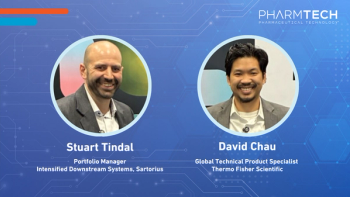
Stuart Tindal, Sartorius, and David Chau, Thermo Fisher, discuss automation, single-use technology limits, and predictive control shaping continuous bioprocessing's future.
Sandra Coufal, MD, Toragen, discusses how TGN-S15's preferred enantiomer showed no neurotoxicity and reduced tumor growth, supporting development of the oral cancer drug.

Deborah Smook, co-founder and co-owner of TurboFil Packaging Machines, explains some of the challenges involved with prefilled syringe manufacturing.

Building resilient, adaptable operations capable of evolving alongside the rapid transformation of the biologics industry is key for downstream processing.
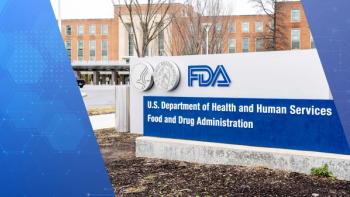
The FDA replaced acting heads of its drug and biologics centers, deepening leadership instability that raises concerns for pharmaceutical developers.

2026 regulatory shifts are accelerating rare disease drug approvals and reshaping clinical development, evidentiary standards, and pharmaceutical manufacturing strategies.
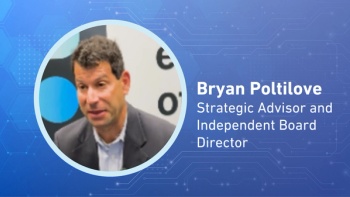
Bryan Poltilove discusses how distributed, point-of-care manufacturing is reshaping biopharma supply chains and cutting carbon footprints.
This week, the industry saw rapid technological integration on the factory floor, a strategic shift toward globalized development networks, and leadership upheaval at the FDA.
Mihaela Simianu and Austin Caudle join the show to discuss how digital container twins can improve pharma manufacturing, validation, and risk reduction.
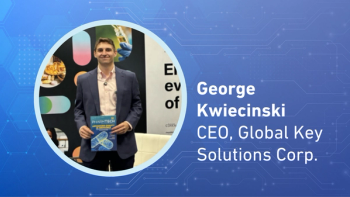
George Kwiecinski, Global Key Solutions Corp, breaks down GMP inspection risks, global supply chain compliance, and AI's growing role in FDA regulatory scrutiny.
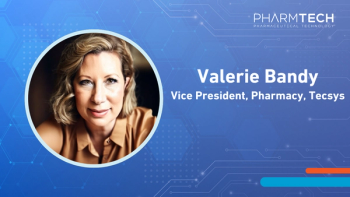
Valerie Bandy, Tecsys, explains how proactive vendor relationships, strategic drug allocation, and end-to-end visibility can prevent costly pharmaceutical supply disruptions.
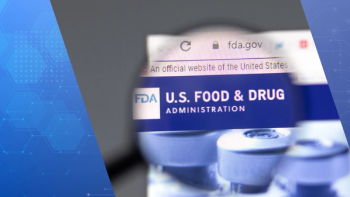
FDA Commissioner Marty Makary resigns amid agency turmoil, staff exodus, pressure over vaccines, rulings on abortion pills, and vaping rules.
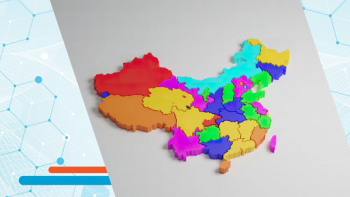
Bristol Myers Squibb’s Hengrui agreement underscores how China-based early development may influence portfolio and manufacturing decisions.
Trump to fire FDA Commissioner Marty Makary amid controversy over vaccine and drug policy decisions, leaving the agency without confirmed leadership.

This article evaluates a structured, risk-based framework for the development, execution, and life cycle governance of master production and control records and batch production and control records systems aligned with current good manufacturing practice requirements and internationally harmonized pharmaceutical quality system guidance.

Automation, isolators, and AI-driven analytics are reshaping aseptic filling while boosting sterility assurance, flexibility, and GMP compliance.
Valerie Bandy, Tecsys, discusses how manufacturers are adopting data-driven supply chain strategies to reduce drug shortages, control costs, and get the right inventory where it's needed.

AI and PAT have been shown to reduce manufacturing variability in advanced therapies, which leads to improved process control and accelerated patient access to lifesaving treatments.
Valerie Bandy, Tecsys, shares how manufacturers can build resilient supply chains, navigate drug shortages, and better support health systems.