
FDA has granted breakthrough therapy designation to donanemab, Eli Lilly and Co.’s investigational antibody treatment for Alzheimer’s disease.
Accurately targeted immunotherapies through reliable neoantigen recognition enable personalized medicine development.
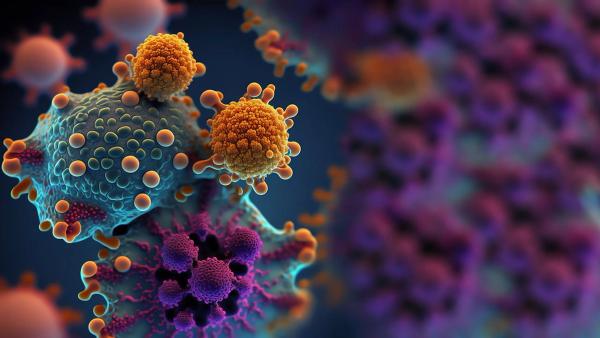
Activation and expansion are essential for success in both autologous and allogeneic therapies.
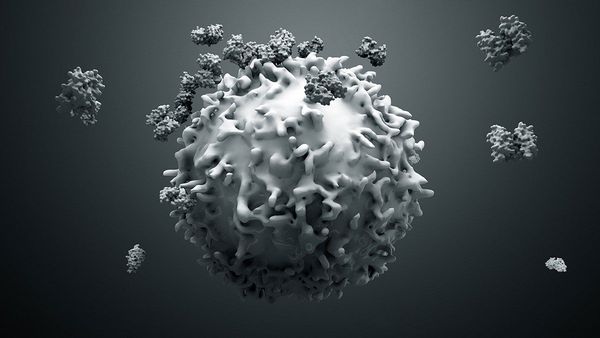
Continuous manufacturing and a quality-by-design development approach are a natural fit.

FDA has granted breakthrough therapy designation to donanemab, Eli Lilly and Co.’s investigational antibody treatment for Alzheimer’s disease.
SP Scientific Products’ SP Hull LyoStar 4.0 R&D freeze dryer supports rapid freeze-dry cycle development, optimization, and process scale-up.
The guidance provides recommendations for including premenopausal women in breast cancer clinical trials.
The US government will invest $3 billion from the American Rescue Plan into a COVID-19 antiviral development strategy.
GlaxoSmithKline and iTeos Therapeutics enter into a development and commercialization collaboration worth up to $2.08 billion for a new therapeutic anti-cancer mAb candidate.
Evonik and Stanford University have signed a research collaboration to develop and market a new drug delivery platform for mRNA and gene therapy.
What can the biopharma industry learn from its rapid response to the COVID-19 pandemic?
CPI has revealed an agreement with DFE Pharma, making it the latest partner of the Medicines Manufacturing Innovation Centre (MMIC) collaboration.
Immodulon has received an indication of allowability from the European Patent Office for the claims in its patent application relating to its lead drug candidate.
Researchers from the Chalmers University of Technology and AstraZeneca have developed a new method of detecting and testing lipid nanoparticles.
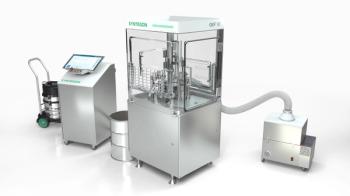
New features of Syntegon’s GKF 60 capsule filler include a piezo dosing system, an Automated Process Development tool, and quick changeover to containment.
VIVEbiotech has opened its new lentiviral vector manufacturing facilities in Spain, expanding capacity for lentiviral vectors for use in cell and gene therapies.
FDA has granted fast track designation to a GLP-1/glucagon dual agonist in development by Boehringer Ingelheim and Zealand Pharma for the treatment of NASH.
FDA has granted Janssen breakthrough therapy designation for teclistamab, an investigational bispecific antibody under development for treating relapsed or refractory multiple myeloma.
FDA has granted accelerated approval to Biogen for Aduhelm (aducanumab), a new mAb treatment for Alzheimer’ disease.
MedPharm’s new facility for process development and small-scale manufacturing is in North Carolina, near its existing R&D center.

Well-defined studies are crucial to effective process development
Through the acquisition, Aceto can now offer its customers support throughout the drug development process and access to North American manufacturing for APIs and advanced intermediates.
Aptamer Group and PinotBio have formed a strategic collaboration aimed at the development of new drug conjugates for targeted drug delivery.

The emergence of new biotherapeutics is both the driver and result of innovative drug development technologies.

In addition to ADCs, other types of highly potent biologics require specialized manufacturing skills.

Particle engineering is a vital tool in overcoming many formulation challenges, and technological advances are enabling developers to achieve the full potential of pipeline molecules.

Outsourcing method development offers multiple benefits to companies, including access to experience and expertise, streamlined costs, and development time efficiencies.
GoSilico’s software for digital twins of downstream biopharmaceutical processes will be integrated into Cytiva.
Currently, PNI offers a Genetic Medicine Toolkit, including its GenVoy LNP delivery platform and NanoAssemblr microfluidic-based nanoparticle manufacturing platform, for the development of genetic medicines.