
Nanoform and Herantis have signed a biologics proof of concept agreement for formulation proof of concept projects aimed at improving nasal drug delivery to the brain.
Nanoform and Herantis have signed a biologics proof of concept agreement for formulation proof of concept projects aimed at improving nasal drug delivery to the brain.
Lessons learned from the pandemic can advance future biologic drug development and manufacturing.
The agency is developing guidance to help manufacturers make changes to existing COVID-19 vaccines to treat new variants in the coronavirus.
FDA’s Vaccines and Related Biological Products Advisory Committee will meet on Feb. 26, 2021 to discuss the request for emergency use authorization for Janssen Biotech’s COVID-19 vaccine candidate.
The CGMP manufacturing agreement will expand production of lenzilumab, a candidate for COVID-19 therapy, to support a potential emergency use authorization filing.
Both companies will provide resources and expertise to research, develop, and manufacture multiple mRNA vaccine candidates, including multi-valent and monovalent approaches.
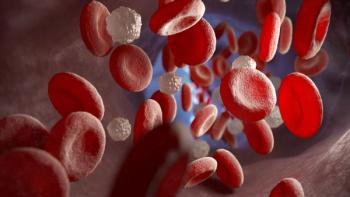
Plasma-based proteins and cell-based therapies have significant potential to address unmet medical needs.

Rapid growth in biologics and increasing complexity of new compounds are some of the factors driving development of innovative delivery solutions.

Advanced manufacturing technologies are available, but challenges need to be addressed.

Viewpoint: Continued dialogue among pharma stakeholders is needed to achieve consensus regarding excipient composition.
The EC intends to get tougher on issues such as reliability of drug supplies, particularly essential medicines.

A complicated vaccination rollout and mixed messages may derail the pandemic endgame.
The companies previously entered into a collaboration in November 2020 with the goal of producing more than 100 million doses of the CureVac vaccine per year at Rentschler’s Laupheim, Germany facility.

Outsourcing partners can provide a multitude of advantages in the development of drug delivery solutions, including those designed for targeted patient populations.

Open communication and transparency coupled with technical expertise foster strong long-term manufacturing partnerships.

CDMOs address the unique challenges of liquid and lyophilized forms as well as preparing for the large capacity needed for COVID-19 vaccines.
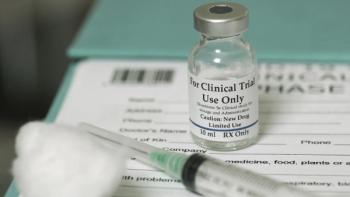
Best practices can help ensure supply chain flexibility and viability for biologic drugs in clinical trials.
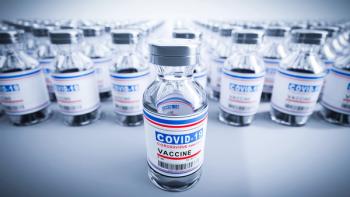
Contract development and manufacturing organizations provide vital services to rush COVID-19 vaccines to patients.
Bayer will support CureVac by providing the company with further development, supply, and territory operations via its clinical operations, regulatory affairs, pharmacovigilance, medical information, and supply chain management expertise.
The vaccine will be developed using Gritstone’s proprietary prime-boost vaccine platform, which includes self-amplifying mRNA and adenoviral vectors, with antigens formulated by Gilead.
The European Medicines Agency has recommended granting conditional marketing authorization for AstraZeneca’s COVID-19 vaccine.
The vaccine is 66% effective overall in preventing moderate to severe COVID-19 28 days after vaccination.
The vaccine met the primary endpoint with a vaccine efficacy of 89.3% in its Phase III trial in the United Kingdom and a vaccine efficacy of 49% in HIV-positive participants and 60% in HIV-negative participants in a South African Phase IIb trial.
The dispute between the European Commission (EC) of the European Union and pharmaceutical company AstraZeneca continues.
Although a necessity, companies must strike a critical balance between protecting innovations with IP and providing affordable access to medicines.