
Formulation and Drug Delivery
Latest News
Advertisement
Latest Videos

Shorts
0:45
How to Get Started with AI as a Scientist
3 days ago
by
Pauric Bannigan
0:16
How Pfizer Accelerates Early-Stage Drug Development
6 days ago
by
Stephanie Johnson
0:32
The Biggest Data Challenges in AI Drug Discovery
7 days ago
by
Pauric Bannigan
0:53
How High Drug Loading Improves Patient Compliance
7 days ago
by
Bill Williams
0:46
Navigating Novel Excipients -The Safety Guide
8 days ago
by
Ron Filler
Advertisement
More News

Roche-Hansoh, Merck KGaA-Silence, and Lilly-METiS deals show how ADCs, siRNA, and lipid nanoparticles reshape demands on CMC and manufacturing teams.
Ishani Maharaj of Ingredients + Specialties from Univar Solutions explains how to stabilize GLP-1 multi-agonists, weigh delivery formats, and qualify novel excipients and suppliers.
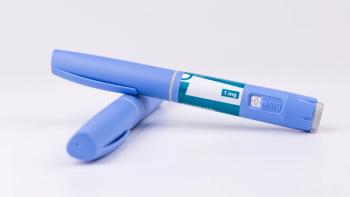
2026 approvals, clinical data, and licensing deals are advancing subcutaneous biologics, reducing patient burden, and reshaping biopharma drug strategy.

The industry is shifting toward increasingly complex, precision-driven modalities for the treatment of cancer.
New drug delivery systems prioritize convenience and customization, using advanced technologies like nano-engineering and non-invasive routes to improve patient outcomes.

Non-parenteral alternatives for biologics remain a clinical imperative and a formidable challenge.
Take this quiz to test your comprehension of one of our recent feature articles.
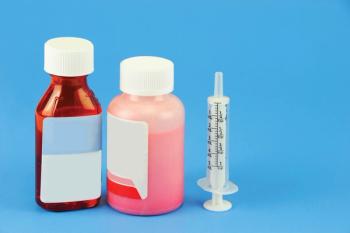
The growing demand for liquid medicines is increasingly driven by the unique needs of several distinct patient groups, improving compliance in these demographics through flexible, palatable dosing options.
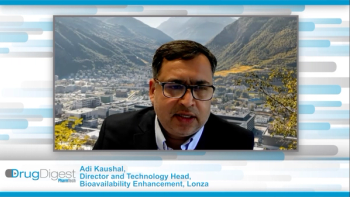
In this exclusive Drug Digest video, Adi Kaushal from Lonza summarizes the current state of the oral solid dosage market, identifies the main challenges to drug developers, explains how CDMOs are leveraging expert techniques to improve OSD bioavailability, and looks into the future of advancements in drug delivery.

Under the agreement, AstraZeneca will use Alteogen’s proprietary hyaluronidase platform technology to develop and commercialize subcutaneous formulations of multiple oncology assets in its portfolio.
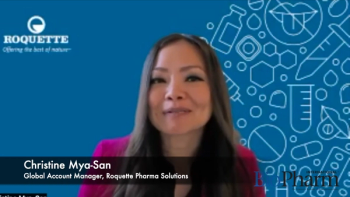
Roquette Pharma Solutions' Christine Mya-San, global account manager, highlights the most significant pharma ingredients at play over the past year and discusses future ingredient innovation.

Rivaroxaban, long known under the brand name Xarelto, is an anticoagulant, a classification that is among the most-prescribed medications in the United States.

Exosomes, polymeric nanoparticles, and DNA nanostructures offer many potential advantages.
The approval makes Evrysdi the first and only tablet for treating spinal muscular atrophy.
Advertisement
Advertisement
Trending on Pharmaceutical Technology
1
Pimicotinib TGCT Approval Shows How Assessment Aid Supports Review
2
The Impact of Excipients on Continuous Manufacturing and the Risk of Nitrites
3
$1.15B AI-Guided Macrocycle Discovery Lands at argenx
4
Drapeau’s AI Deep Dive: Qualify the Reviewer Before the AI Goes Live
5