



Formulation and Drug Delivery
Latest News
Advertisement
Latest Videos



Advertisement
More News

The industry is shifting toward increasingly complex, precision-driven modalities for the treatment of cancer.
New drug delivery systems prioritize convenience and customization, using advanced technologies like nano-engineering and non-invasive routes to improve patient outcomes.

Non-parenteral alternatives for biologics remain a clinical imperative and a formidable challenge.

Take this quiz to test your comprehension of one of our recent feature articles.
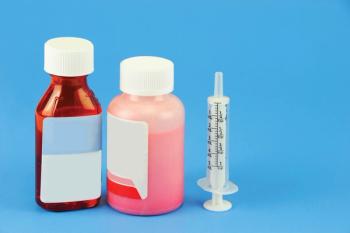
The growing demand for liquid medicines is increasingly driven by the unique needs of several distinct patient groups, improving compliance in these demographics through flexible, palatable dosing options.

Under the agreement, AstraZeneca will use Alteogen’s proprietary hyaluronidase platform technology to develop and commercialize subcutaneous formulations of multiple oncology assets in its portfolio.

Rivaroxaban, long known under the brand name Xarelto, is an anticoagulant, a classification that is among the most-prescribed medications in the United States.

Exosomes, polymeric nanoparticles, and DNA nanostructures offer many potential advantages.
The approval makes Evrysdi the first and only tablet for treating spinal muscular atrophy.

European biopharma companies are looking beyond GLP-1s.

Increasing API and formulation complexity and new delivery strategies are driving innovations in taste-masking.

Rapid market growth in biologics is helping the packaging market expand as well, but the complex nature of biologics and the desire for personalized therapies present unique hurdles to make packaging solutions cost-effective and safe for patients.
Process consistency and robustness, analytical excellence, and regulatory compliance are essential in the scale-up of biosimilars.
Pharmaceutical Technology® spoke with Andy Burns, vice president, MDI Business Development at Kindeva, about how sustainability requirements are impacting contract development and manufacturing organizations, specifically for the development and manufacture of inhalation drugs.
Winners in this year's Pharmapack Awards include both commercial products and innovations that are shaping the future of pharmaceutical packaging.

Lonza will work with Iconovo to develop spray-dried formulations for an intranasally delivered biologic using a reformulated biologic drug candidate for obesity.

Pharmaceutical Technology chats about the increasing prevalence of challenging APIs in the development pipeline and the hurdles facing formulators and manufacturers as a result of this trend with Jens Schmidt from Lonza.
The transaction, which was first announced in September 2024, expands Phillips Medisize’s inhalation drug delivery capabilities.
With the new $94 million (€90 million) funding, the company will develop its pipeline of oral macrocycle drugs, nCycles, against validated biologic targets.
With this approval, HYQVIA [Immune Globulin Infusion 10% (human) with Recombinant Human Hyaluronidase] becomes the first and only facilitated subcutaneous immunoglobulin available in Japan to treat these disorders.
Pointing to the continued circulation and evolution of COVID-19, WHO published a statement on the COVID-19 vaccine antigen composition to respond to variants of the virus.

Pharmaceutical Technology chats with Roger Viney from ICE Pharma about bile acids in detail, including how they are useful in helping to improve drug solubility and absorption.
The companies will use Orexo’s powder-based drug delivery technology to develop mucosal vaccines in an inhaled formulation.
In the second part of a video interview, Colin McKinlay, PhD, senior director, Chemistry and Delivery Technologies, at Nutcracker Therapeutics, discusses trends and the future direction of mRNA–LNP development.
Advertisement
Advertisement
Trending on Pharmaceutical Technology
1
FDA/CMS Gene Editing Guidance Shifts Evidence to CMC Teams
2
PharmTech Weekly Roundup—October 23, 2026: CMC Considerations, Rare Disease Development, Standards Harmonization
3
From URS to Acceptance Evidence: Defining and Testing Interfaces in Pen Injector Assembly
4
Formulation Risk Needs One Accountable Owner: AAPS PharmSci 360 2026
5