
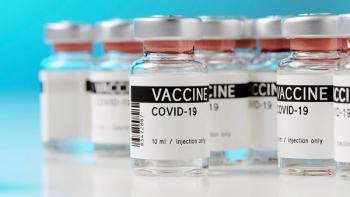
The COVID-19 pandemic helped to showcase RNA molecules and their therapeutic potential. There were also lessons learned in terms of drug delivery, manufacturing, logistics, and storage.
The COVID-19 pandemic helped to showcase RNA molecules and their therapeutic potential. There were also lessons learned in terms of drug delivery, manufacturing, logistics, and storage.

After years of FDA issuing guidance documents and launching programs to encourage sponsors to seek broader representation in clinical trials, policy makers have added a “stick” to the process.
Biden outlined a host of priorities for improving health care and building the economy during State of the Union address.
The change would impact every package and hundreds of systems.
A realignment of the Office of Regulatory Affairs would create a focus on “critical activities” for ensuring the safety of foods and other regulated products, including drugs, biologics, and medical devices.

Harmonization of global regulations fosters innovation and ensures quality medicines.

Shifting guidance and the growing prominence of computer software assurance exemplify the state of computer software validation.

The European bio/pharma industry’s high regulatory standards and GMP requirements are set to position the region as a frontrunner for pharmaceutical‑grade manufacturing of cannabis-based medicines.
A new unified initiative for patent protection in the EU to boost the competitiveness of the pharma industry is nearing completion.

A Congressional probe of FDA’s approval of Alzheimer’s treatment targets the agency’s interactions with drug manufacturers.
Susan J. Schniepp, distinguished fellow for Regulatory Compliance Associates, and Shiri Hechter, senior lab operations manager for Nelson Laboratories, provide a simple approach to validating analytical methods.
The restraint to not target solely the major disease groups has provided good proportion and balance for our industry.
FDA granted accelerated approval to Eli Lilly and Company’s pirtobrutinib for treatment of relapsed or refractory mantle cell lymphoma.
FDA approved Stemline Therapeutics’ elacestrant for postmenopausal women or adult men with ER-positive, HER2-negative, ESR1-mutated advanced or metastatic breast cancer.
FDA will restart in-person, face-to-face meetings with industry sponsors beginning Feb. 13, 2023, after a shift to all-virtual meetings during the pandemic.
FDA plans to authorize a common bivalent shot that targets both the original COVID-19 strain and Omicron subvariants.
In a response letter, FDA stated that it could not grant Eli Lilly and Company accelerated approval due to concerns surrounding insufficient quantity of clinical trial data.
The Vault Quality Suite will help Adare simplify its quality operations across its sites in the United States, France, and Italy.
Epinephrine is a critical medication used during life-threatening conditions that can affect any age and any person.
The company was awarded the Terra Carta Seal in recognition of its commitment to creating a sustainable future.
Eisai’s Alzheimer’s treatment, Leqembi (lecanemab-irmb), received approval from FDA via the Accelerated Approval pathway.
The agency revised a regulation to enable pharmacies to dispense mifepristone directly to individuals with a prescription.

Bio/pharma has evolved and adapted to a variety of challenges in 2022, but what might be on the cards for the industry in 2023?

Cautiously setting aside pandemic practices, pharma workers appear ready for flux, change, evolution, and expanding molecular diversity.

Experts weigh in on trends in the biotechnology market, psychedelics, and India.