Hovione's $35M CDC Flex line links spray drying to tablets, designed to eliminate scale-up under FDA Q13 guidance.
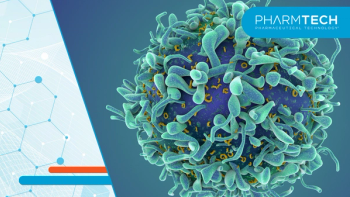
Cellares has raised $82 million to accelerate the development of its Cell Shuttle, a factory-in-a-box that allows for the automation of the process of creating highly individualized cell therapies.
Cellares Corporation, a US-based life sciences technology company, announced on May 5, 2021 that it has raised $82 million in a Series B round to accelerate the development of its Cell Shuttle, a factory-in-a-box that allows for the automation of the process of creating highly individualized cell therapies, including chimeric antigen receptor (CAR)-T therapies.
According to a company press release, the Cell Shuttle is equipped with hardware, software, robotics, and consumables, making it capable of producing 10 patient doses simultaneously, while allowing for easily transferable pre-clinical development and efficient commercial scalability.
“There are more than 450,000 patients today who could potentially benefit from CAR-T cell therapies, a number expected to grow into the millions in a few years’ time. Less than 1% of these patients are able to get access to these therapies, due to a lack of scalable cell manufacturing technologies,” said Fabian Gerlinghaus, co-founder and CEO of Cellares, in the press release.
Source: