How confident is the bio/pharma workforce heading into 2027? PharmTech wants to find out, and we need your input.
The European Commission has granted H. Lundbeck A/S marketing authorization for Selincro (nalmefene) for the reduction of alcohol consumption in adult patients with alcohol dependence.
The European Commission granted H. Lundbeck A/S marketing authorization for Selincro (nalmefene) for the reduction of alcohol consumption in adult patients with alcohol dependence, the company reports in a
Selincro is a dual-acting opioid system modulator, and acts on the brain’s motivational system, which is dysregulated in patients with alcohol dependence. Selincro is thought to reduce the reinforcing effects of alcohol, and thereby reduces the urge to drink alcohol, the company reports. The drug has been shown to be effective in reducing alcohol consumption in patients with high drinking risk level. Patients treated with Selincro showed a 40% reduction in total alcohol consumption within the first month, and after six months the alcohol intake was reduced by approximately 60%.
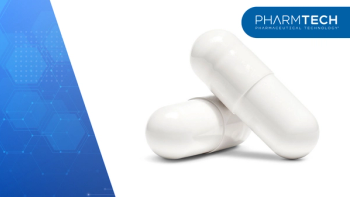
Lundbeck will provide Selincro as part of a novel treatment concept that includes continuous psychosocial support focused on the reduction of alcohol consumption and treatment adherence. It has been developed for use on an as-needed basis, with one tablet taken each day when the patient feels a risk of drinking.
The marketing authorization of Selincro is based on the results of three pivotal, randomized, doubleblind, placebo-controlled trials that evaluated the efficacy and safety of Selincro in approximately 2,000 alcohol dependent patients.
Subject to the completion of pricing and reimbursement discussions, Lundbeck expects to launch Selincro in its first markets in mid-2013.