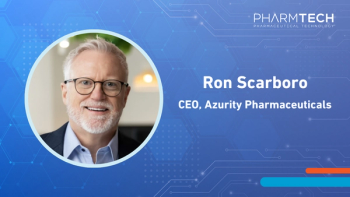
Ron Scarboro, Azurity Pharmaceuticals, explains how cross-functional development, disciplined reformulation, and post-approval metrics can help proven medicines work in everyday use.
On July 25, 2016 Kite Pharma entered into an agreement with the University of California, Los Angeles, (UCLA) to advance development of off-the-shelf allogenic T-cell therapies from renewable pluripotent stem cells. The company entered into an exclusive license agreement with UCLA for an artificial thymic organoid (ATO) cell culture system. The ATO replicates the human thymic environment to support efficient ex vivo differentiation of T-cells from primary and reprogrammed pluripotent stem cells.
On July 25, 2016 Kite Pharma entered into an agreement with the University of California, Los Angeles, (UCLA) to advance development of off-the-shelf allogenic T-cell therapies from renewable pluripotent stem cells. The company entered into an exclusive license agreement with UCLA for an artificial thymic organoid (ATO) cell culture system. The ATO replicates the human thymic environment to support efficient ex vivo differentiation of T-cells from primary and reprogrammed pluripotent stem cells.
The technology is based on research led by Gay M. Crooks, MD, professor in the Department of Pathology and Laboratory Medicine and the David Geffen School of Medicine at UCLA. The ATO system has the potential to support scalable production of T-cells using pluripotent stem cell lines capable of indefinite self-renewal.
"This platform provides a renewable source of T-cells and can be further exploited with gene engineering, including chimeric antigen receptors, T-cell receptors, and other gene modifications of interest, to generate potent T-cell products that have the potential to be resistant to rejection and to bear no risk of graft-versus-host disease," said David Chang, MD, PhD, executive vice-president of Kite Pharma,
Under the terms of the agreement, Kite will receive exclusive rights to use the licensed technology to develop and commercialize T-cell products in oncology, the company noted. In connection with the license agreement, Kite has entered into an agreement with UCLA to support ongoing preclinical research in Crooks laboratory to optimize the ATO platform.
Source: