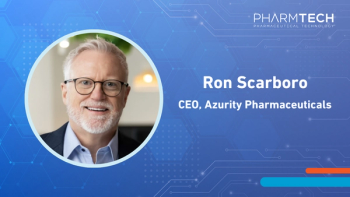
Ron Scarboro, Azurity Pharmaceuticals, explains how cross-functional development, disciplined reformulation, and post-approval metrics can help proven medicines work in everyday use.
Pfizer will acquire all outstanding shares of Seagen for a total of $43 billion.
Pfizer and Seagen, a global biotechnology company specializing in antibody-drug conjugates (ADC), announced a definitive merger agreement on March 13, 2023. The deal will see Pfizer acquire all outstanding shares of Seagen for a total of $43 billion. The companies expect to complete the transaction in late 2023 or early 2024, subject to approval of Seagen’s stockholders and receipt of required regulatory approvals.
According to a company press release, Seagen’s portfolio includes four approved medicines that are first- or best-in-class in their respective indications across solid tumors and hematologic malignancies: three of these, Adcetris (brentuximab vedotin), Padcev (enfortumab vedotin), and Tivdak (tisotumab vedotin), are ADCs. The company’s technology is used in four of the twelve total FDA-approved and marketed ADCs.
In the release, Seagen stated that it expects to generate approximately $2.2 billion of revenue in 2023, representing 12% growth relative to 2022. Additionally, Pfizer indicated it believed that Seagen could contribute more than $10 billion in risk-adjusted revenues by 2030, as well as provide potential significant growth beyond that.
“Pfizer is deploying its financial resources to advance the battle against cancer, a leading cause of death worldwide with a significant impact on public health,” said Albert Bourla, chairman and CEO, in the release. “Together, Pfizer and Seagen seek to accelerate the next generation of cancer breakthroughs and bring new solutions to patients by combining the power of Seagen’s ADC technology with the scale and strength of Pfizer’s capabilities and expertise. Oncology continues to be the largest growth driver in global medicine, and this acquisition will enhance Pfizer’s position in this important space and contribute meaningfully to the achievement of Pfizer’s near- and long-term financial goals.”
“Pfizer shares our steadfast commitment to patients, and this combination is a testament to the passion, dedication and talent of the Seagen team to achieve our mission to discover, develop, and commercialize transformative cancer medicines that make a meaningful difference in people’s lives,” said David Epstein, CEO, Seagen, in the release. “The proposed combination with Pfizer is the right next step for Seagen to further its strategy, and this compelling transaction will deliver significant and immediate value to our stockholders and provide new opportunities for our colleagues as part of a larger science-driven, patient-centric, global company.”
Source: