News|Videos|October 21, 2026
PharmTech AI Pulse Check: New Approach Methodologies Demand New QC Skills
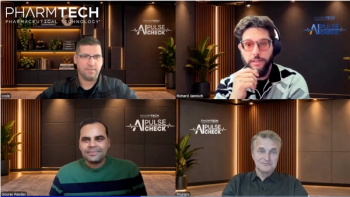
Jaenisch, Muraru, and Pandey discuss new skills for QC and regulatory teams, plus patient trust, as new approach methodologies reshape pharma.
Advertisement
Advertisement
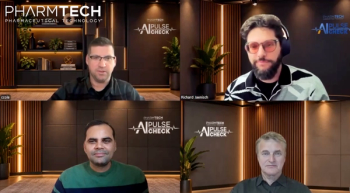
As new approach methodologies (NAMs) and non-animal testing models gain ground in pharma manufacturing, quality, and regulatory functions, the question is shifting from whether these tools will reshape QC and regulatory affairs to how quickly teams can build the literacy to use them responsibly. That was the center of the latest PharmTech AI Pulse Check, in which Christopher Cole moderates Richard Jaenisch, Florin Muraru, and Gourav Pandey through a conversation on skills, validation, and the one stakeholder often left out of the technical debate: the patient.
Related to this article

Jaenisch, Muraru, and Pandey discuss how regulators will audit pharma against its own AI policies and ways QA and regulatory teams can build defensible, inspection-ready AI practices.

Panelists on the PharmTech AI Pulse Check weigh a December AI playbook, EMA/MHRA moves, PCCP accountability gaps, and MCP-ready regulatory guidance.

The PharmTech AI Pulse Check panel discusses why MHRA and FDA oversight of pharma AI continues past go-live, and who validates the regulators' own AI.

No operator touches a CAR-T batch before demonstrating proficiency. Generative AI users should meet the same standard, and a higher one, because an AI error does not stay inside one batch.

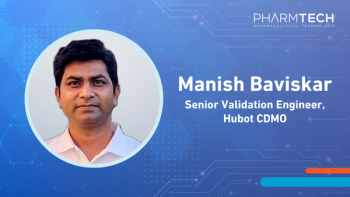
Manish Baviskar, Hubot CDMO, on ALCOA++ data integrity, model version change control, continuous monitoring, and human sign-off.

Manish Baviskar, Hubot CDMO, explains which AI skills validation engineers need first and why AI model updates must go through GMP change control.

From AI validation to microstructure imaging, AAPS PharmSci 360 speakers pushed toward faster drug development backed by stronger evidence. Here are PharmTech's biggest takeaways.
Advertisement
Advertisement