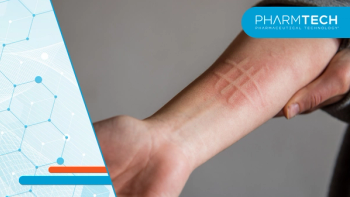
The FDA has approved remibrutinib for symptomatic dermographism, the first such therapy, extending an oral BTK inhibitor label via the Phase III RemIND trial.
Christy Owings, Thermo Fisher, explains clinical trial supply chain risks in Latin America, importer-of-record strategy, AI, and eCOA delays.
Clinical trial supply chains are growing more complex as drug development spreads into new regions.
Owings: Trials as a whole are becoming more globalized and more complex, in step with the world around them. That makes advance planning more critical than it used to be. Sponsors need a solid global infrastructure and a supply strategy built well ahead of first shipment, rather than something assembled reactively once a trial is already underway.
Latin America is a region that has enormous potential, but I've seen sponsors underestimate the complexity of entering the market. Problems often trace back to gaps like not securing shipment approval before importation, or importation documentation that isn't fully consistent. The worst outcome is a large, precious batch of investigational product held up in customs, exposed to temperature excursions, for an extended stretch, risking lost product and, just as important, lost time that could otherwise serve patients and generate data that moves a therapy toward approval. In Mexico, for instance, random customs screening is routine, and a delayed shipment with no local contact to explain what's happening creates stress across the entire organization.
It comes down to having people on the ground with real standing with local customs authorities, not a process that feels like tracking a late-night online order. I want a named contact who understands the process and can advocate on a sponsor's behalf in-country. That relationship matters from the protocol design stage onward: partners whose local depot address customs authorities already recognize as ethical and compliant move shipments through more predictably.
Personal relationships still matter most for accessing regions like Latin America, Southeast Asia, or the Middle East, but AI is supplementing our workforce in real ways. One example is shifting clinical-site shipment coordination toward a 24-hour, chatbot-style interface, so sites can confirm patient scheduling on their own timeline. AI also helps combine data across our clinical supplies, CRO, and drug substance divisions to serve a customer's needs, optimizing a sensitive product's supply chain around historical import success by season, or spotting trends, like China-based biotech increasingly choosing Latin America over the US or EU for its first ex-China marketing approval.
A protocol may already be locked by the time we start partnering with a biotech customer, but critical supply elements aren't always fully developed yet. Electronic clinical outcome assessment (eCOA) strategy is a good example, licensing and translation work can take around six months to launch, which matters in competitive spaces where sites and patients often favor a digital solution over paper-based assessments. The earlier a supply partner is brought in, the more that becomes a thought partnership rather than a scramble to catch up on items that should have been addressed during protocol creation.
Visit your critical sites in person. That includes not just primary fill-finish or clinical packaging and labeling sites, but depot-network locations too, Argentina, Brazil, India, or a Southeast Asia hub like Singapore. There's a lot to be gained from those relationships, and visiting builds confidence in both the supply plan and the people executing it.
References