This week on PharmTech, Merck diversified its pipeline, USP emphasizes supply chain security, AI systems are examined, and speakers preview their presentations at CPHI Milan and AAPS PharmSci 360.
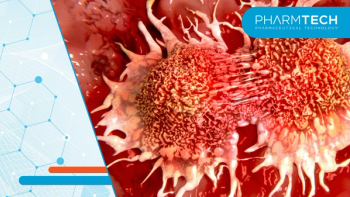
FDA approves Rasonque (daraxonrasib), the first broad RAS-targeted therapy for metastatic pancreatic cancer, validating RAS(ON) inhibition for future drug development.
The FDA has approved Rasonque
Pancreatic adenocarcinoma is among the most difficult cancers to treat.1 Roughly 55,000 people are diagnosed with the disease in the United States each year, and more than 50,000 die from it under current standards of care. Because early-stage disease often produces few or no symptoms, approximately 80% of patients are diagnosed only after the cancer has spread, when treatment options narrow considerably. For patients with metastatic disease, the 5-year relative survival rate sits at approximately 3%.
Daraxonrasib works as a molecular glue, pairing with the protein cyclophilin A to block RAS signaling.2
“This is the first RAS inhibitor evaluated in a large, randomized trial for patients with pancreatic cancer,” said Brian Wolpin, M.D., M.P.H., director of the Hale Family Center for Pancreatic Cancer Research at Dana-Farber Cancer Institute, professor of medicine at Harvard Medical School, and principal investigator for the RASolute 302 trial, in a press release.2
The approval rests on data from RASolute 302, a global, randomized phase 3 trial that compared daraxonrasib against investigators’ choice of 4 cytotoxic chemotherapy regimens in patients with previously treated metastatic disease.1 The trial enrolled patients across a range of RAS variants, including G12 mutations such as G12D, G12V, and G12R, as well as patients without an identified tumor mutation.
In the intent-to-treat population, daraxonrasib reduced the risk of death by 60% compared with chemotherapy, with a hazard ratio of 0.40.1 Median overall survival reached 13.2 months versus 6.7 months for chemotherapy. Progression-free survival also improved, with a median of 7.2 months versus 3.6 months. Patient-reported outcomes favored the drug as well: time to deterioration in global health status and pain was meaningfully delayed relative to chemotherapy.
Dermatologic toxicity was common, occurring in 86% of treated patients, alongside stomatitis, diarrhea, and less frequent but more serious risks including gastrointestinal perforation and interstitial lung disease.1 Prophylactic measures such as topical corticosteroids, sun protection, and consideration of oral antibiotics are recommended at treatment initiation.
RAS has been recognized as a principal driver of pancreatic cancer for decades, yet it remained largely undruggable until multi-complex inhibitor platforms made direct targeting feasible.1 This approval offers development teams a validated proof of concept that RAS(ON) inhibition can translate into clinical benefit across a broad genotype population rather than a narrow mutation subset, a distinction that may influence how sponsors design trial populations and diagnostic strategies for future RAS-directed programs. It also reinforces continued momentum toward oral, small-molecule options in a treatment setting historically dominated by intravenous cytotoxic regimens, which carries implications for formulation, supply chain, and manufacturing scale-up as the drug advances through additional indications, including non-small cell lung cancer and colorectal cancer.
Anna Berkenblit, MD, chief scientific and medical officer, Pancreatic Cancer Action Network, said in a press release,1 “I believe this drug will transform how pancreatic cancer is treated, giving people the opportunity for more time with loved ones, the possibility of a better quality of life and optimism that continued research may lead to even greater advances.”
“This approval gives physicians the confidence that directly inhibiting RAS can make a striking difference for patients and provides a critically needed new approach to treating patients with metastatic pancreatic cancer,” Wolpin stated in a press release.1
The drug remains investigational outside the US, where the European Medicines Agency has begun a phased review.1
References