The deadline to comment on FDA's generative AI paper is Oct 19, 2026. We explain why professionals in pharma manufacturing should weigh in.
The FDA's new era of proactive enforcement uses warnings to stop misleading GLP-1 ads and ensure a fair balance of drug risks and benefits.
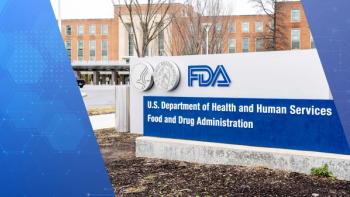
On March 3, the FDA intensified its regulatory oversight of
Commissioner Marty Makary, MD, MPH, has defined this strategic pivot as a new era of proactive monitoring designed to eliminate deceptive claims across all media channels.¹ Makary justified this direction, in a press release,¹ “Compounded drugs can be important for overcoming shortages or meeting unique patient needs—but compounders should not try to compound drugs in a way that circumvents FDA's approval process." The agency’s current posture emphasizes that all market participants must ensure a fair balance of risks and benefits in their communications to maintain the integrity of clinical standards.
The specific violations cited in the letters highlight critical boundaries for digital marketing. The primary infractions included:
• Claims of "Sameness": Marketing materials that implied compounded versions were identical to FDA-approved products.
• Obscured Sourcing: Advertising drug products branded with the telehealth firm’s own name or trademark without clarifying that the firm is not the actual compounder.1
The FDA reiterated that compounded drugs are not FDA-approved, meaning the agency does not review their safety, effectiveness, or quality prior to marketing. Furthermore, the agency clarified that compounded drugs are not the same as generic drugs, which are FDA-approved.
The current regulatory environment is influenced by a September 2025 executive order aimed at enhancing transparency in DTC prescription drug advertising. This order spurred the FDA to transition from its traditional reactive, complaint-driven oversight to a more proactive monitoring system for all pharmaceutical advertising.² Research indicates that DTC advertising significantly impacts patient behavior, increasing overall prescription requests and the likelihood of a clinician fulfilling those requests, even when prescribers question the clinical appropriateness of the medication.² By moving to proactive monitorization, the FDA aims to ensure that all promotional content represents a “fair balance” of risks and benefits, as required by the Federal Food, Drug, and Cosmetic Act. Beyond marketing claims, the news underscores the agency's commitment to protecting the drug supply from poor-quality materials. The FDA remains vigilant regarding fraudulent and counterfeit products, including those containing false label information or non-existent pharmacies.³ To bolster supply chain security, the agency maintains a green list import alert (66-80) to prevent GLP-1 active pharmaceutical ingredients (APIs) with quality concerns from entering the U.S., while still allowing legal importation from compliant manufacturers.³ Today's issuance of 30 warning letters represents a continuation of a significant enforcement trend. By identifying primary violations such as "sameness" claims and obscured sourcing on digital platforms, the FDA is establishing a new standard for transparency and regulatory compliance in the marketing of compounded GLP-1 products.
References
1. FDA. FDA Warns 30 Telehealth Companies Against Illegal Marketing of Compounded GLP-1s. FDA News Release. March 3, 2026.
2. Jacobus N. FDA Sends Warning Letters to Novo Nordisk, Eli Lilly, and Hims Regarding Misleading Pharmaceutical Advertising. Pharmaceutical Executive. September 17, 2025.
3. FDA. FDA's Concerns with Unapproved GLP-1 Drugs Used for Weight Loss. Postmarket Drug Safety Information. Current as of February 4, 2026.