
Swedish biotech companies have a broad and varied product pipeline that is attracting attention from venture capitalists and pharmaceutical companies.
Cheryl Barton is director of PharmaVision, info@pharmavision.co.uk.
Swedish biotech companies have a broad and varied product pipeline that is attracting attention from venture capitalists and pharmaceutical companies.

The EU is focused on strengthening supply-chain resilience, avoiding medicine shortages, simplifying regulations, and implementing new approach methodologies.
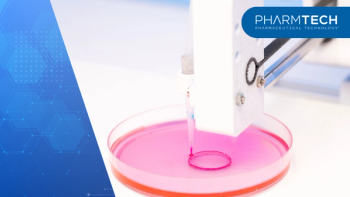
European biotechs are advancing bioinks and high-resolution bioprinting for medical devices and regenerative tissues.

Venture-based Danish biotechs are driving innovation and gaining traction with investors.

European biotechs are utilizing AI to identify novel immunoinflammatory targets in respiratory diseases.

The CMA will improve Europe’s manufacturing resilience and lead to greater diversification and reduced reliance on single external suppliers.

European biotechnology companies are increasing patient access to innovative cell and gene therapies through decentralized next-generation manufacturing platforms.

European Biotechs are utilizing AI and precision medicines to improve the personalized treatment of cardiovascular disease.

New legislation will improve patient access to innovative medicines in Europe and the United Kingdom.

European biotech companies are exploring new therapeutic targets on T-cells to overcome drug resistance and improve clinical outcomes in cancer.

New disease-modifying agents are being evaluated in the clinic that could change the course of treatment for Alzheimer’s disease patients.

Proteasome-targeting therapies may eliminate disease-causing proteins in a broad range of diseases.

Live cell phenotypic screening can enhance translational predictability and speed up lead optimization.
The European Union aims to become the most attractive destination for clinical research.
The European Union aims to become the most attractive place for life science by 2030.

Novo Nordisk’s Wegovy will be competing with Madrigal Pharmaceuticals’ Rezdiffra in the metabolic dysfunction-associated steatohepatitis arena.
The deadline for stakeholder consultation submissions on the new and updated regulations is Oct. 7, 2025.
EMA is phasing out animal testing and is asking pharmaceutical companies to use new approach methodologies.

mRNA technologies offer great promise in immunotherapy and non-immunogenic applications.
EMA has published recommendations to address potential radiopharmaceutical shortages.
The European Union is discussing ways to reduce Europe’s over-reliance on imports of APIs.

New TCR-T cell therapies look promising in the treatment of haematological and solid tumours.
The Act is the European Union’s plan to avert drug shortages.
The Biotech and Biomanufacturing Hub will help European companies access funding, navigate regulations, and speed up market access.

European biopharma companies are looking beyond GLP-1s.

EMA introduced its New Fee Regulation in January 2025, but what impact will the new fees and charges have on medicine developers?

Centogene NV and ROPAD consortium publish data from a landmark study identifying genetic variants that may respond to innovative cell and gene therapies.
The European Commission has developed a roadmap aimed at reversing the rising trend of cancer across the European Union.

Novel mitophagy inducers and gene therapies that restore cellular function and decelerate the ageing process.
Regulators, EMA and HMA, have published principles and recommendations on the use of LLMs, which are being increasingly used for daily tasks.

Published: January 20th 2026 | Updated: February 13th 2026

Published: October 14th 2025 | Updated: October 24th 2025

Published: September 15th 2025 | Updated: October 17th 2025

December 2nd 2022

April 2nd 2024