

Capacity concerns and regulatory compliance considerations will drive the decision about outsourcing the manufacture of clinical trial materials.
Feliza Mirasol is the science editor for Pharmaceutical Technology and Pharmaceutical Technology Europe.
Capacity concerns and regulatory compliance considerations will drive the decision about outsourcing the manufacture of clinical trial materials.
The automation of analytical workflows generates higher volumes of data that also require advanced technologies to manage.

Automated analytical workflows require advanced technologies to manage the higher volume of data output.
Personnel need to be trained in various analytical skill sets for biologic drug substance testing.
Sample preparation tends to be manually labor intensive, but automating this step helps streamline the glycosylation monitoring workflow.

There is need for training personnel in various analytical skill sets for biologic drug substance testing.
Part 2—Industry experts from MilliporeSigma, Lonza, Astrea Bioseparations, and Sartorius provide insight and examples about solving critical challenges in both analytics and process development for emerging therapies.
Part 1—Industry experts from MilliporeSigma, Lonza, Astrea Bioseparations, and Sartorius discuss key issues affecting the development of emerging biotherapies.
The increased flow of data from laboratory studies requires a data management strategy to optimize study success.

The ever-increasing complexity of biotherapeutic molecules presents unique analytical challenges for developers.
The future pipeline of complex novel biotherapeutics will require new approaches to analytical assessment.

The emergence of new biotherapeutics is both the driver and result of innovative drug development technologies.

Dynamic light scattering presents a good analytical technique for testing protein stability.

A slew of solid-dose drug recalls were issued over the course of 2020 and in early 2021 after nitrosamine contamination was found in products.

Traditional biologic-based testing methods may need an upgrade to properly test newer therapeutic modalities.

Open communication and transparency coupled with technical expertise foster strong long-term manufacturing partnerships.
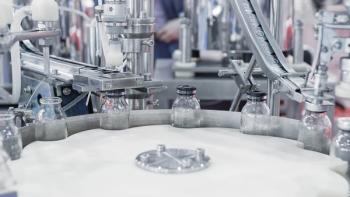
CDMOs address the unique challenges of liquid and lyophilized forms as well as preparing for the large capacity needed for COVID-19 vaccines.
Traditional biologic-based testing methods may need an upgrade to properly test newer therapeutic modalities.

The number of recommendations for European marketing authorization of human medicines saw significant increase in 2020 over the previous year.

Early detection and more sensitive methods of detecting adventitious agents are becoming increasingly critical in bioprocessing.

The manufacture of gene therapy vectors is shifting to more modern technologies.

The early success seen on the market for approved cell and gene therapies poses both technical and manufacturing challenges for pipeline candidates on the road to commercialization.
Pharmaceutical Technology Europe
Appropriate analytical assays are needed to determine and ensure that biosimilar critical quality parameters are on track.