
CEM Corp. announced that its European Patent covering microwave assisted solid phase peptide synthesis has been upheld.
CEM Corp. announced that its European Patent covering microwave assisted solid phase peptide synthesis has been upheld.
The workshop will cover a proposed new method for measuring moisture vapor transmission rate.
New line in Swiss facility produces ready-to-fill syringes.
EMA streamlines orphan drug application procedure.
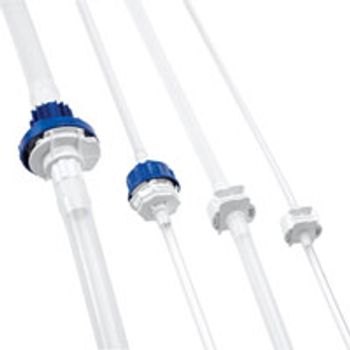
New platform technologies and polymer chemistries may facilitate self-administration, longer-term delivery, and targeted delivery of parenteral drugs.
Pfizer has launched a prescription-fulfillment website for Viagra tablets in an effort to combat the online sale of counterfeited medicine.
PTSM: Pharmaceutical Technology Sourcing and Management
The Global Vaccine Action plan maps out a strategy to increase access and R&D for vaccines.

More than 12,000 industry professionals, including 8,100 show attendees, participated in INTERPHEX 2013, a 20% increase over the 2012 show.

While there are those who want combination products to be controlled by a centralized pharmaceutical-type approval system, the majority of the medical technology industry wants to retain a decentralized device-focused approach.

Prior to price escalation of pharmaceutical products in Brazil, the country's regulatory authority released a study on price-cap control and its benefits in the past years.
Drug companies team up with INTERPOL to keep counterfeit medicines off the Internet and out of the hands of patients.
FDA faces budget crunch; Supreme Court hears key cases
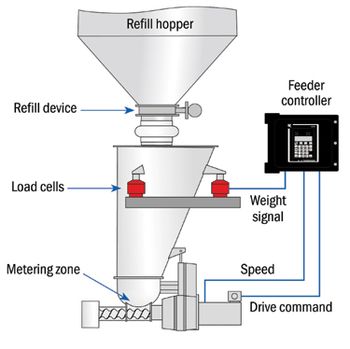
Loss-in-weight feeders provide high accuracy for batch or continuous processes.

Wanted: Article contributions on drug and process development topics.
Genentech announced that FDA has approved Actemra (tocilizumab) for the treatment of polyarticular juvenile idiopathic arthritis (PJIA) in children aged two years and older.
Pharmaco-Kinesis Corporation (PKC) announced that it is developing the first nanodrug combination of Merck's temozolomide and Celgene's thalidomide (in a 50:50 ratio) for the treatment of gliomas and other cancers. PKC will collaborate with the University of California, San Diego's department of nano-engineering at the Moores cancer centre to develop the nanodroplet formulation.
Bayer announced that it has signed a merger agreement with US-based birth-control specialist Conceptus.
Marketing agreement involves particle-sizing and milling equipment.
New company will focus on inspection, monitoring, and control systems for automated pharmaceutical manufacturing processes.
A personalized drug research and development platform will validate biomarkers for individualized disease treatment for Chinese patients.
Pharmaceutical Technology has joined with Dun & Bradstreet Credibility Corp. to launch the Pharmaceutical Technology and BioPharm International Marketplace.
Catalent Pharma Solutions, a provider of drug and biologic development services, delivery technologies and supply solutions, has officially opened a new biomanufacturing center of excellence in Madison. The facility, which was constructed in response to customer demand, is expected to quadruple Catalent's current biologics manufacturing capacity and extensively utilise single-use technology for greater flexibility and efficiency. It will allow the company to extend its offerings in the biologics sector while enhancing the efficiency and output of its proprietary GPEx cell line engineering technology as well as other mammalian cell lines.
FDA will use a new anticounterfeiting tool to detect fake medicines.
Lundbeck has launched Selincro in Norway, Finland, Poland and the Baltic countries of Latvia, Lithuania and Estonia for the treatment of alcohol dependence in patients with high-risk drinking levels. According to Lundbeck, the launch marks the first introduction of a new treatment for alcohol dependence in Europe for more than a decade.
BioOutsource, a contract testing services provider to the biopharmaceutical industry, has opened a new facility in Cambridge, Massachusetts. The facility marks the company's first North American offices, which were opened in response to increasing demand for the company's bioanalytical and biosafety services, particularly in the field of biologic and biosimilar characterisation.
FDA issues draft guidance to minimize medication errors.
Third compounding pharmacy recalls products due to FDA inspection.
EMA has upgraded its EudraGMP database to include information on GDP in addition to GMP. The new EudraGMDP database is a key deliverable of the Falsified Medicines Directive (FMD) that came into effect in January 2013. The aim is to increase supply chain security in the EU by making supervision of manufacturing and distribution of medicines more robust to ensure supplier compliance.
AstraZeneca and BIND Therapeutics have formed a strategic collaboration to develop and commercialise BIND's Accurin, a targeted and programmable cancer nanomedicine, based on a molecularly targeted kinase inhibitor developed and owned by AstraZeneca.
Metrics Inc. offers Cleantaste technology, which enables polymer coating of individual drug crystals to produce particles sized 25 um to 125 um.