

Dow Corning will also be presenting topical and transdermal technology advances at CPhI.
Accurately targeted immunotherapies through reliable neoantigen recognition enable personalized medicine development.

Activation and expansion are essential for success in both autologous and allogeneic therapies.
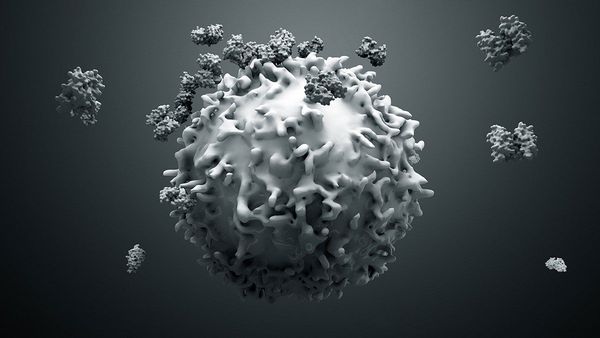
Continuous manufacturing and a quality-by-design development approach are a natural fit.

Dow Corning will also be presenting topical and transdermal technology advances at CPhI.
Probiodrug has signed an agreement with Rentschler Biotechnologie GmbH for the development of PBD-C06, a pGlu-Abeta-specific monoclonal antibody, as treatment for patients with Alzheimer’s disease.
3M and Impel will collaborate to develop and commercialize Impel’s Precision Olfactory Delivery technology for enhanced central nervous system drug delivery.

Safer solid reagents and new coupling chemistry are important developments.
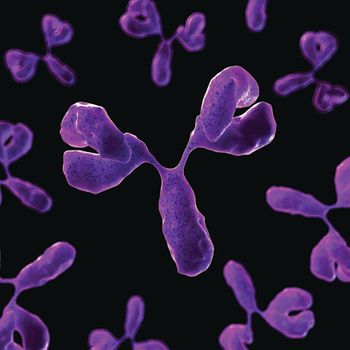
The development of successful ADCs involves careful selection of drug, antibody, and linker, as well as choosing the right attachment chemistry to link the cytotoxic to the antibody.

This article looks at the current status of alcohol-induced dose dumping of modified-release formulations and the need for regulatory harmonization in handling this challenge.

New formulations that enhance bioavailability, optimize drug-delivery profiles, reduce dosing frequency, or improve patient experience have the potential to deliver quicker returns on investments than developing a completely new drug.

BASF completes sale of custom synthesis business and parts of its API business to Siegfried Holding.
PTSM: Pharmaceutical Technology Sourcing and Management
Hovione will double its manufacturing capacity in New Jersey with an expanded facility and a commercial spray dryer designed to handle potent APIs.
PTSM: Pharmaceutical Technology Sourcing and Management
The CDMO is striving to become a market leader in the development and manufacturing of antibody-drug conjugates.
The agency releases guidance on the use of pharmacokinetics and pharmacodynamics analyses in the development of antibiotics.
There is growing interest in the development of liquid formulations in prefilled syringes and autoinjectors, which offer convenience and ease of administration in a home setting.
Six grants from the NIH will help identify variants in the genome’s regulatory regions that affect disease risk, using new computational approaches.
The company will showcase its range of drug packaging and delivery systems as well as launch a new ready-to-use validated packaging component.
PTSM: Pharmaceutical Technology Sourcing and Management
Supersonic spray-drying process yields stable and soluble amorphous nanoparticles.
PTSM: Pharmaceutical Technology Sourcing and Management
EMD Millipore, the Life Science business of Merck KGaA, introduced expanded documentation and regulatory information for its Emprove portfolio of pharmaceutical raw materials, which include excipients, process chemicals, and APIs.
PTSM: Pharmaceutical Technology Sourcing and Management
The agency cited Pan Drugs Limited with improper cleaning of facilities and equipment.
Abenza acquired biopharmaceutical CDMO PacificGMP and expanded the company’s San Diego facility.
Aragen Bioscience has licensed ProteoNic Biotechnology’s 2G UNic recombinant protein production technology, which increases manufacturing efficiency and reduces cost of goods for recombinant biologicals.
The partners will collaborate on a project to capture and integrate clinical trial data metrics on investigational cancer medications.

A study of recent inspection observations allows for baseline trending and continuous improvement. (The opinions expressed in this article do not necessarily reflect FDA’s position on the matter being discussed.)
As EU supplier risk assessment deadlines approach, a number of voluntary third-party auditing and certification options are available. Will more excipient suppliers, and drug manufacturers, use them?
Current guidance for absorption of elemental impurities does not address dermal exposure, resulting in a simplistic approach to limit setting.
Matt Shaffer, manager, formulation development, Bend Research, a division of Capsugel’s Dosage Form Solutions business, and Martin Koeberle, PhD, head of analytical development and stability testing, Hermes Pharma, spoke to Pharmaceutical Technology about the different approaches used in taste-masking and the challenges involved.