

Freezers, shipping containers, and tracking systems aid distribution of COVID-19 vaccines.
The evolution of therapeutic modalities drives the adoption of single-use technologies.
Despite its understandable hesitancy, the pharma industry is facing a need for more widespread adoption of cloud-based solutions.

Given the criticality of fill/finish processes, it is clear that automation is the next technological step.
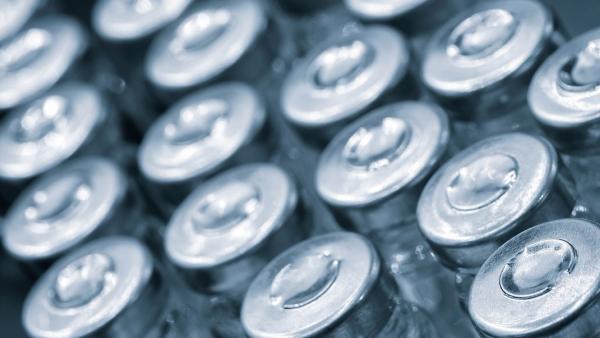
Freezers, shipping containers, and tracking systems aid distribution of COVID-19 vaccines.
Flexible packaging benefits align with challenges including an aging population, compliance requirements, e-commerce, serialization, and a need for recyclability.
The company will expand the site to include six new containment isolators and a product development manufacturing laboratory.
Evonik offers lipid nanoparticles for gene-based drug development and manufacturing.
Software automates the labeling process, ensures compliance with regulations, prevents errors, and cuts costs.
The company is investing in expansion at four sites in the United States, United Kingdom, and Italy, which will include construction of new facilities and addition of sterile and lyophilized filling lines.
The collaboration includes the development, commercialization, and supply of Orgenesis’ pipeline in South Korea and Japan and the development and commercialization of Cure Therapeutics’ pipeline on a global basis.
Cytiva is adding process development, media and assay development, and contract development services at its facilities in Korea, Japan, Sweden, and the UK.
The company has received $500 million in funding from Sino Biopharmaceutical for further development, capacity expansion, and manufacturing of CoronaVac, its COVID-19 vaccine candidate.
Piramal Pharma Solutions invests in expanded potent and non-potent API development and manufacturing at its Riverview, MI facility.
CDMO HALIX will manufacture the drug substance for AstraZeneca’s COVID-19 vaccine candidate, AZD1222, at commercial scale at its cGMP facility in the Netherlands.
The company will expand its micronization abilities for highly potent drug compounds through this investment.
The virtual showroom will provide real-time construction updates, various specs, and services that its new super plant, Plant 4, will offer upon completion.
A longer-than-expected scale up of raw materials forces Pfizer to cut 2020 vaccine production in half.
Honeywell’s project team has remotely and efficiently migrated Richter Gedeon’s process control system with limited onsite staffing and resources.
The collaboration addresses the need for risk mitigation plans in cell therapies.
Set to be operational by the first quarter of 2022, the 140,000-ft2 facility will feature up to six 2000-L, single-use bioreactor systems along with additional harvest and purification equipment to produce up to 100 commercial batches annually.
The COVID-19 pandemic has accelerated the need for modular designs to rapidly expand vaccine production capacity.
The European Pharmacopoeia is preparing for 2021 while also supporting the industry to develop vaccines and treatments for COVID-19.
Sterilization of primary packaging is important for vaccines.

Packaging suppliers prepare to meet the demand unleashed by COVID-19 vaccines and treatments.
The grant will support the advancement of glycoengineering technology for plant-derived proteins developed by a University of Alberta scientist partnered with PlantForm.
The investment will expand and upgrade manufacturing capacity and technology for pre-fillable syringes and will also includes a new manufacturing facility in Europe.
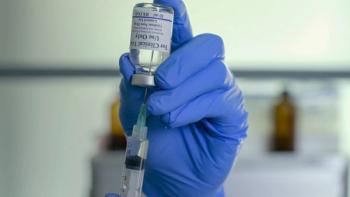
CDMOs strive for flexible, adaptable processes and fast tech transfer for manufacturing investigational drug products, including COVID-19 treatments and vaccines.
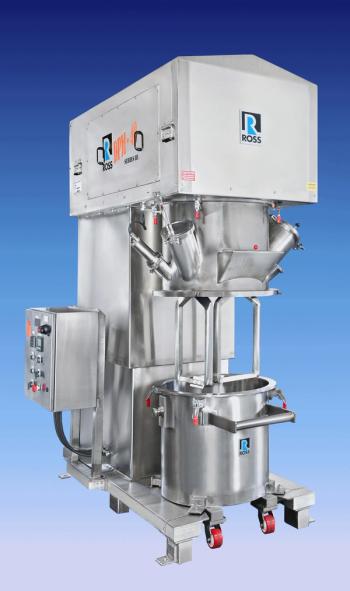
The Double Planetary Mixer from ROSS is suitable for high-precision mixing, granulation, and vacuum drying all in one.