
News|Articles|June 3, 2026
A Pharma Manufacturing Blueprint from Delaware’s Innovation Vision
Author(s)Zachary Zubulake, Christopher Cole
Listen
0:00 / 0:00
Key Takeaways
- Local government is being repositioned from regulator to co-developer by facilitating research collaboration, funding access, and reduced friction from development to commercialization.
- NIIMBL and Delaware’s manufacturing legacy are leveraged to accelerate scalable production through continuous manufacturing, specialty polymers for sterile/biologic products, and advanced analytical integration.
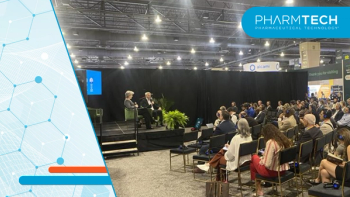
At CPHI Americas, Delaware governor Matt Meyer outlined the state's biopharma vision: fostering workforce talent, industry collaboration, and regulatory speed to market.
Advertisement
In a rapidly shifting global marketplace characterized by post-pandemic onshoring and an increasingly complex tariff environment, the pharmaceutical manufacturing industry is searching for stability and speed, according to Delaware Governor Matt Meyer. At the
From Regulator to Collaborative Partner
For many in pharmaceutical manufacturing, the relationship with government is often defined by regulatory friction. However, the Delaware model suggests that local governments must evolve into active partners to move technology forward. Governor Meyer emphasized that a state’s role should be to collaborate on research, help secure funding, and reduce the friction between development and market entry.
For professionals globally, this highlights the growing importance of public-private ecosystems. In Delaware, this is anchored by institutions like the
Scaling Innovation Through Specialized Infrastructure
The transition from a breakthrough molecule to a scalable product is the industry's greatest challenge, noted Meyer. As such, the Delaware vision leverages a deep-rooted culture of precision material sciences and large-scale manufacturing that dates back to the founding of the DuPont company in 1802.
Current advancements that manufacturing professionals should note include:
- Continuous Manufacturing: Moving away from batch processing to increase efficiency.
- Specialty Materials: Developing polymers for sterile and biologic products.
- Next-Gen Therapies: Focusing on cell and gene therapy manufacturing and protein engineering.
These technologies are being advanced at the
The Long-Term Talent Pipeline
A recurring theme for global manufacturers is the scarcity of specialized talent. Governor Meyer argued that workforce development must begin long before college. By implementing biosynthetic engineering programs—such as
Furthermore, the state recently
Speed as a Competitive Advantage
In an industry in which a day of delay can impact both patient lives and the bottom line, speed is a critical metric. Delaware has addressed this through specific policy interventions that might view as a "gold standard":
Expedited Permitting : An executive order designed to reduce permit wait times from months to minutes using modern technology.- Fiscal Incentives: The use of
refundable R&D tax credits —a rarity in the U.S.—to support high-growth entrepreneurs. - Proximity and Cost: Utilizing a low cost of living and low tax burden to attract talent, while maintaining proximity to major consumer markets and regulatory hubs like Washington, DC.
A National Security Imperative
Ultimately, the push for manufacturing innovation is not just about regional economic growth; it is a matter of national security, explained Meyer, adding that ensuring that life-changing therapies are both created and scaled within stable, efficient environments is paramount for public health. The goal for any manufacturing hub, he said, should be to provide a low-friction environment in which innovators can "build, grow, and stay." Whether in Delaware or abroad, the path forward for biopharma manufacturing lies in these strategic partnerships between industry leaders and the governments that support them.
Advertisement
Related Content
Advertisement



Advertisement
Advertisement