News|Articles|February 28, 2019

In the Lab eNewsletter

  • Pharmaceutical Technology\'s In the Lab eNewsletter-03-06-2019
  • Volume 14
  • Issue 3

Affinity Chromatography Analysis Column for Antibody Drugs

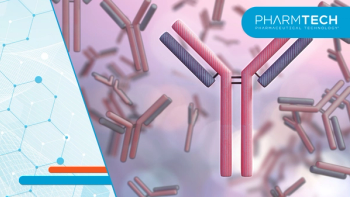
The TSKgel FcR-IIIA-NPR HPLC column from Tosoh Bioscience is a FcRγ affinity chromatography analysis column suited for the analysis of immunoglobulin G glycoforms.

The TSKgel FcR-IIIA-NPR HPLC column from Tosoh Bioscience, a provider of chromatographic solutions for the separation of biomolecules, is a FcRγ affinity chromatography analysis column for antibody drugs.

The column is suited for the analysis of immunoglobulin G (IgG) glycoforms. The stationary phase uses a recombinant human Fcγ receptor IIIa as a ligand bound to a nonporous polymethacrylate polymer. The resulting elution profile of the glycoprotein mimics antibody-dependent cellular cytotoxicity (ADCC) activity, which is correlated to the composition of the N-glycans.

According to Tosoh, monoclonal antibodies (mAbs) comprise the largest class of glycosylated protein therapeutics currently on the market and glycosylation is known to be a major source of mAb heterogeneity. Glycosylation is a critical factor in drug product solubility, kinetics, stability, efficacy, and immunogenicity, the company reports.

A rapid thirty-minute separation allows the analysis of large numbers of mAb samples to gain initial information on the distribution of glycoforms and expected ADCC activity. This initial method can be applied to purified samples and supernatant alike and can be used in various phases of development and production, such as cell-line screening in early R&D, biosimilar/originator comparison, upstream development and optimization, monitoring of glycoengineering, or lot-to-lot comparison in quality control.

Source: Tosoh Bioscience


Related to this article

Glass vial, pipette and woman scientist in laboratory for medical study, research or experiment. Test tube, dropper and professional female person with chemical liquid for pharmaceutical innovation. | Image Credit: ©HockleyMedia24/peopleimages.com -stock.adobe.com
Equivalence test using two one-sided tests are widely used for demonstrating the comparability of treatment effects in different research fields. The method described in the manuscript aims to use simulations in Microsoft Excel to compute power for 2 one-sided tests for two groups with unequal variances.
Ask the Expert: Choosing Ingredient Suppliers
Jane Zhang of ETCH Sourcing explains why geopolitics, transparency, and partnership now weigh as heavily as cost and quality when companies choose suppliers, in this episode of Ask the Expert, moderated by Susan J. Schniepp of Nelson Labs.