AI accountability, faster FDA pathways, rare disease CMC review, and next-gen GLP-1 formulation lead this week’s PharmTech roundup.
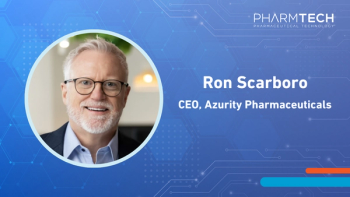
Brent Wilhelm of Cencora talks about real-time demand data, last-mile carrier risk, and a $1 billion investment in cold chain pharma resilience.
Brent Wilhelm, senior vice president of Global Supply Chain, Cencora, discusses where today's pharmaceutical supply chain falls short, how Cencora is using AI and infrastructure investment to close those gaps, and what a more resilient network could look like in the years ahead.
Watch the 3-part video interview with Wilhelm:
Part 1:
Part 2:
Part 3:
Wilhelm: Our network includes more than 25 distribution centers across the United States, positioned to get product to points of care within hours based on expected demand. But demand doesn't always match that positioning. When we have demand variability, moving inventory, although it's available somewhere in the network, could mean it's sitting on the East Coast while demand is spiking on the West Coast. We saw that with regional RSV [respiratory syncytial virus] spikes: the inventory existed, just not where it was suddenly needed, and repositioning it takes time.
I think the real opportunity is integrated planning: closer collaboration with manufacturers so real dispensing and demand data can inform decisions before shortages happen. The way our supply chain is set up today across the US is much more built around historical demand than real time. As treatments shift toward real-time administration and practitioners stock only what they need immediately, that historical model needs to catch up. I see AI as key to spotting demand signals in ordering patterns and managing complexity around dosage strengths, though as an industry we still lack visibility into what's actually dispensed at the point of care.
That's the final mile, and it typically depends on third-party carriers like FedEx and UPS. That's where the larger risk lies, having visibility into the health of those networks, and whether a carrier can reliably pick up and deliver on schedule. Shipping from the closest distribution site doesn't always make sense if that carrier lane is experiencing delays.
Winter Storm Fern was a big issue in the southeast this past winter, and it disrupted FedEx's Memphis hub and UPS's Louisville hub for days. We're exploring AI to consume real-time carrier data so shipments can route around disruptions like that one. Delivery needs also vary by site of care: some require daily shipments, others need product multiple times a day, with turnaround expectations ranging from next day to two-day fulfillment.
Roughly 70% of the new medicines being launched through next year are in the specialty space, and more than half of those require cold chain handling: packaging and storage that maintains temperatures of 2 to 8 degrees Celsius or colder throughout transport and storage. That shift is driving roughly a billion dollars in supply chain investment for us over the past year alone.
Reimbursement remains a politically charged barrier shaping which products dispensers are willing to stock and administer. On the logistics side, shortages, and geopolitical conflicts have pushed us to rethink our inventory strategy, building more nimbleness into the network rather than relying purely on historical demand positioning.
We're investing in a new, centralized distribution site for safety stock of critical inventories and medicines. We keep inventory closest to the customer to serve the day-to-day, but we hold back a certain amount centrally so we can ship product dynamically across the country based on demand.