News|Videos|October 16, 2026
PharmTech Weekly Roundup—October 16, 2026: Rare Diseases, CMC, and AI Accountability
Author(s)Susan Haigney
AI accountability, faster FDA pathways, rare disease CMC review, and next-gen GLP-1 formulation lead this week’s PharmTech roundup.
Advertisement
Advertisement
This week on PharmTech.com, the FDA moved to shorten first-in-human (FIH) timelines and bring rare disease chemistry, manufacturing, and controls (CMC) review into a risk-based framework, while artificial intelligence (AI) moved deeper into discovery, manufacturing, and evidence generation. The common question across the week is who signs off, on what data, and whether quality systems can keep up with the pace.
Related to this article

This week on PharmTech, Merck diversified its pipeline, USP emphasizes supply chain security, AI systems are examined, and speakers preview their presentations at CPHI Milan and AAPS PharmSci 360.

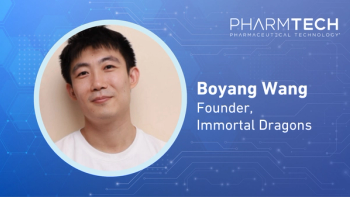
Boyang Wang, Immortal Dragons, discusses how the FDA’s Expedited IND Pilot must prove efficiency as sponsors chase the fastest route to valid first-in-human data.

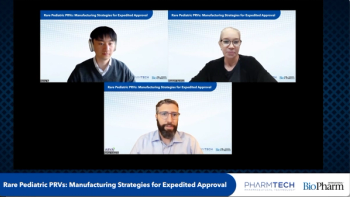
Nate Edwards of Arya Consulting moderates a discussion with Elisabeth Gardiner of Tevard Biosciences and Donny Xu of the RTW Institute about rare disease treatment development and navigating the FDA’s Rare Pediatric Disease Priority Review Voucher Program.

Boyang Wang, Immortal Dragons, explains how FDA’s Expedited IND Pilot and research partners could speed serial steps to first-in-human trials compared to China’s 818 Decree.

Ron Scarboro, Azurity Pharmaceuticals, explains how cross-functional development, disciplined reformulation, and post-approval metrics can help proven medicines work in everyday use.

This week, drug formulation and manufacturing experts showcased their knowledge, and companies exhibited their products, at CPHI Milan.

FDA approves Teva’s Weltruza, a once-monthly subcutaneous olanzapine for schizophrenia whose copolymer depot eliminates post-injection monitoring.
Advertisement
Advertisement