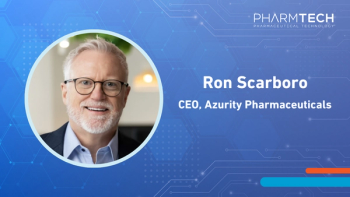
Ron Scarboro, Azurity Pharmaceuticals, explains how cross-functional development, disciplined reformulation, and post-approval metrics can help proven medicines work in everyday use.
PTSM: Pharmaceutical Technology Sourcing and Management
Genentech, AmerisourceBergen, and McKesson are providing pharma user requirements for a new project that will evaluate blockchain‘s potential in meeting requirements of the Drug Supply Chain Security Act, and preventing pharmaceutical counterfeiting.
The LinkLab LLC and Chronicled, Inc. have launched The MediLedger Project to explore digital ledger blockchain solutions for the pharmaceutical industry. The project will focus primarily on helping companies meet requirements set by the US Drug Supply Chain Security Act (DSCSA), specifically, its demand for interoperable systems for managing records of ownership and transfer. The project would use blockchain technology to allow supply chain partners, including manufacturers, wholesale distributors, hospitals, and pharmacies, to track and trace prescription medicines.
Blockchain offers a number of unique advantages compared with current approaches, notably, improved data security, according to MediLedger’s partners. "Traditional centralized databases are like castles with moats," said Chronicled CEO Ryan Orr. "You can fortify them as much as you want, but a hacker will always find a clever way to sneak inside the castle. Blockchain introduces a whole new paradigm. It's a distributed network, data are cryptographically secured, a breach in one node has no effect on the whole, and the consensus mechanism prevents malicious actors from tampering the system."
Eventually, partners plan to extend the project beyond DSCSA compliance, to prevent the production and trafficking of counterfeit and illicit drugs. By the end of 2017, they plan to have demonstrated, through a series of milestones, the advantages of a blockchain system as the best way forward for this significant use case.
The project has formed a working group with companies that include Genentech, Pfizer, AmerisourceBergen, and McKesson Corporation, which have defined the industry requirements for the blockchain pilot, both for a prototype system and for an industry operating model. So far, the group has met the project’s first hurdle: building a prototype system for the registration and verification of medicines on the blockchain while keeping all business information private from other participants. The next effort will be focused on developing business models and operating requirements.
"The immediate goal for us is to show that blockchain is the best solution for this need," said Susanne Somerville, co-Founder of The LinkLab. "We are aiming to have done that by the end of the year."
Source:
almost 9 years ago
A Potential Downside to the CDMO M&A Frenzyalmost 9 years ago
Early Efforts Identify Unstable APIsalmost 9 years ago
Setting Safety Processes for Potentially Potent APIsalmost 9 years ago
CordenPharma Invests in Small Molecule API Development Capacityalmost 9 years ago
Temperature-Controlled Shipping Service Solutionalmost 9 years ago
Piramal Plans Large-Scale Expansion of API Manufacturing Facilitiesalmost 9 years ago
SGS and Bavarian Nordic Form Vaccine Pact