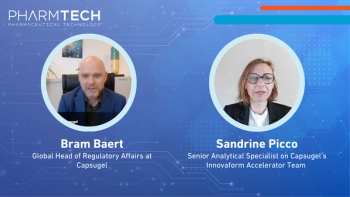
Ron Scarboro, Azurity Pharmaceuticals, explains how cross-functional development, disciplined reformulation, and post-approval metrics can help proven medicines work in everyday use.
The move follows a warning from FDA wherein FDA cited ALK-Abello with numerous manufacturing violations.
Merck gave the rights to three sublingual allergy immunotherapy tablets back to Denmark-based manufacturing company ALK-Abello, according to an announcement released on July 27, 2016. The end of the partnership agreement will mean that Merck will no longer hold the rights to Grastek, Ragwitek, and an investigational SLIT tablet. The drugs seek to treat allergies to grass, ragweed, and dust mites, respectively.
ALK-Abello admitted in a press release that sales performance over the past two years has been below expectations in the United States, but believes the further development of its SLIT-tablet for the treatment of allergic asthma will be fruitful, as it has been in Europe. However, the company is now left looking for a new co-development partner in North America.
The rights to the drugs will revert to ALK-Abello in the next six months, and will be complete by early 2017. Merck committed to completing the current clinical study that is underway on the SLIT-tablet, but will slowly transition the product registration process over to ALK. Merck
The return of the rights to these three therapies to ALK follows an inspection letter from FDA to the immunotherapy manufacturer that cited multiple problems with the company’s aseptic manufacturing capabilities. Although many of the citations surrounded the fill/finish of a non-oral product (Pharmalgen), FDA also concluded that ALK-Abello had no written procedures surrounding how the stability of their products is tested, nor any documentation on the sampling and testing of its grass and ragweed drug product and drug substance samples. FDA estimated that the stability of the sublingual grass and ragweed tablets had not been tested since 2014.
Source: