News|Videos|September 11, 2026
PharmTech Weekly Roundup—September 11, 2026
Author(s)Susan Haigney
On PharmTech.com this week, coverage of upcoming events continued, experts continued to discuss the use of AI in pharma, and validation in oral solid dosage product production was emphasized.
Advertisement
Advertisement
This week on PharmTech.com, resilience was discussed in a variety of ways. CDMOs and equipment makers are gearing up for CPHI Milan, regulators are formalizing new frameworks, and manufacturers are treating validation and clinical logistics as safeguards rather than paperwork. From European legislation to Latin American customs delays, it appears that building systems robustly may be enough to withstand global complexity.
Related to this article

AI accountability, faster FDA pathways, rare disease CMC review, and next-gen GLP-1 formulation lead this week’s PharmTech roundup.

FDA approves GSK's bepirovirsen for chronic hepatitis B after a 19% functional cure rate, raising oligonucleotide scale-up stakes for manufacturers.

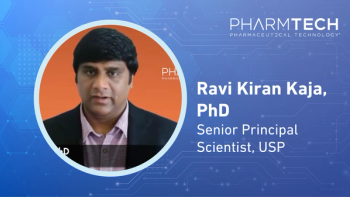
Ravi Kiran Kaja, PhD, USP, explains what harmonization of extractables and leachables standards looks like in practice.

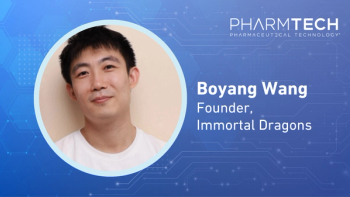
Boyang Wang, Immortal Dragons, discusses how the FDA’s Expedited IND Pilot must prove efficiency as sponsors chase the fastest route to valid first-in-human data.

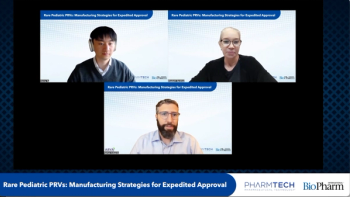
Nate Edwards of Arya Consulting moderates a discussion with Elisabeth Gardiner of Tevard Biosciences and Donny Xu of the RTW Institute about rare disease treatment development and navigating the FDA’s Rare Pediatric Disease Priority Review Voucher Program.

Boyang Wang, Immortal Dragons, explains how FDA’s Expedited IND Pilot and research partners could speed serial steps to first-in-human trials compared to China’s 818 Decree.

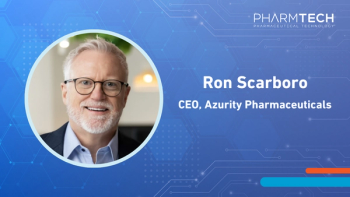
Ron Scarboro, Azurity Pharmaceuticals, explains how cross-functional development, disciplined reformulation, and post-approval metrics can help proven medicines work in everyday use.
Advertisement
Advertisement