


The acquisition will enhance Lundbeck’s brain disease therapy portfolio as well as its antibody process and development capabilities.
The acquisition will enhance Lundbeck’s brain disease therapy portfolio as well as its antibody process and development capabilities.
The acquisition gives PPF a 19.2% stake in Autolus and provides a pipeline of cell therapy product candidates.
EMA plans to issue new guidance, as US and European regulators respond to reports of nitrosamine contamination in H2 blockers, including Zantac, that contain rantidine.
The companies will develop and commercialize a Phase III cell therapy candidate for treating chronic low back pain in a deal worth potentially $1 billion.

Regulatory bodies are taking a more stringent approach to excipient quality, but unlike guidance on GMP for APIs, those for excipients offer a framework only, meaning the onus lies with the manufacturer or supplier.

Innovation in manufacturing technologies must occur to ensure the availability of gene therapies and cell therapies.
LBB Specialties and Meggle Excipients & Technology will work to distribute excipient products to companies in the American pharmaceutical and nutraceutical industries.
While downgrading the impact of nitrosamine impurities on patients, FDA vows to step up investigations for other drug types.

A design strategy can ensure conflicting properties are managed appropriately for multi-API controlled-release formulations.
Pharmaceutical Technology Europe
The evolution of CDMOs has led to increased investment in new technologies, capabilities, and expertise.
Pharmaceutical Technology Europe
Rapid change towards industry developing and manufacturing niche APIs is leading to smaller-scale facilities that offer higher containment and flexibility.
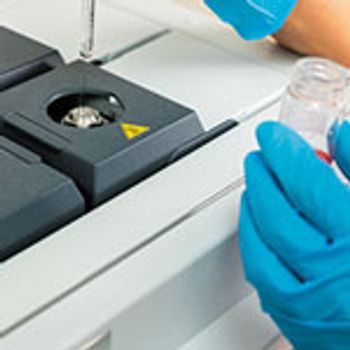
The ZipChip CE-ESI interface was evaluated for suitability as a platform approach for quantitation of MIs in API.

Protein characterization is a critical part of drug development, but as there are still limitations with available techniques, industry needs to look at technological advances to meet the specific requirements of complex molecule characterization.

A one-size-fits-all strategy is not the best approach for the development of a chemistry, manufacturing, and controls program.
Pharmaceutical Technology spoke with Anil Kane, executive director, global science and technology, pharmaceutical development services, at Thermo Fisher Scientific about the industry’s need for more capacity in the manufacture of highly potent APIs.
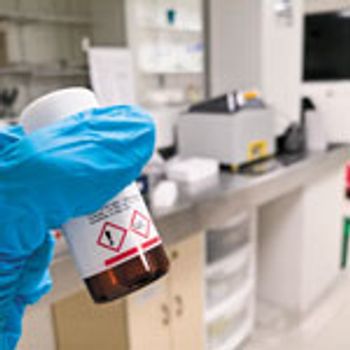
Does the pharmaceutical industry have adequate access to contained equipment, facilities, and infrastructure for the manufacture of highly potent APIs?
Biopharma industry faces production challenges as gene therapies move from clinical to commercialization.
Mass-produce cell and gene therapies presents the biopharma industry with a unique set of challenges.
An agreement with Sanofi gives Catalent access to commercial spray drying facility in Haverhill, UK.
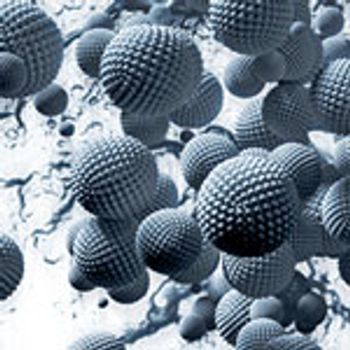
Nanotechnology is enabling enhanced bioavailability, improved stability, and targeted delivery of challenging APIs.
The biosimilar, Kanjinti, is approved for all indications of Herceptin, which includes treating breast, gastric, and gastroesophogeal cancers.
New CDMO facility supports early-stage API manufacturing and scale up.
Two additional production lines expand Lonza’s HPAPI capacity at Visp, Switzerland facility.
Pfizer’s acquisition of Array BioPharma expands the company’s pipeline of investigational cancer therapies.

Excipients and new processing techniques can make a real difference in the development of highly potent therapies.