

ePT--the Electronic Newsletter of Pharmaceutical Technology
Pfizer's Lipitor patent revoked in Germany, promotions at Charles River Labs, more.
ePT--the Electronic Newsletter of Pharmaceutical Technology
Pfizer's Lipitor patent revoked in Germany, promotions at Charles River Labs, more.
Editors' Picks of Pharmaceutical Science & Technology Innovations

Information technology is the glue that should unify a company while ironically, it enables further fragmentation. Experts talk about the successes and challenges for IT in helping a company function efficiently.
The senior director of Oracle's Life Sciences Business Unit tackles some of the technical issues regarding regulatory standardization, software integration, and the trend toward virtualization, among other things. Do you have something to ask Arvindh Balakrishnan? Click here to submit your questions.
More than ever, drug makers need to be fleet and flexible-and they need their software to be the same.
ePT--the Electronic Newsletter of Pharmaceutical Technology
Company Notes: Gibraltar expands facilities; Allozyne appoints new president and CEO, more.
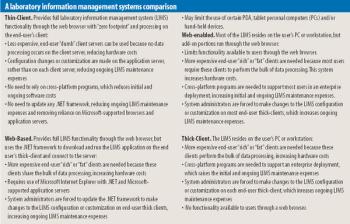
Before any information technology solution can be installed, a company must decide whether applications are going to reside on individual computers at each employee's workstation, on servers within or outside of an organization, or on a vendor's website.
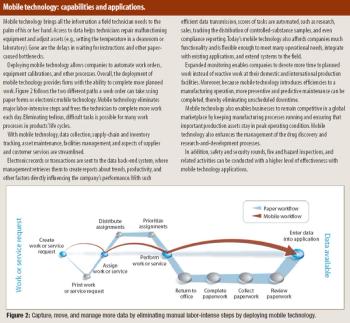
Seven Reasons Why Pharmaceutical Makers Are Adopting Mobile Technology
The scope and complexity of GRC requirements are expanding so rapidly that businesses are struggling to fulfill them despite an increased willingness on industry's part to apply additional GRC resources.
ePT--the Electronic Newsletter of Pharmaceutical Technology
Company and People Notes: ImClone, BMS, and Merck form agreement; CRI Worldwide names new CEO, more.
ePT--the Electronic Newsletter of Pharmaceutical Technology
Company and People Notes: Orexo acquires Biolipox, Avalon cofounder resigns, more...
ePT--the Electronic Newsletter of Pharmaceutical Technology
Company and People Notes: Novartis and MIT to study continuous processing, GSK appoints Andrew Witty as CEO, more.
ePT--the Electronic Newsletter of Pharmaceutical Technology
Company and People Notes: Thermo Fisher Scientific buys Priority Solutions International, Wyeth elects new president and CEO, more.
Carl Zeiss MicroImaging (Thornwood, NY) recently introduced its "Colibri" light-emitting diode (LED) light source for fluorescence microscopy. The product is "the only LED light source optimized for white-field microscopy systems," says Becky Homan, product manager for biomedical light microscopy.
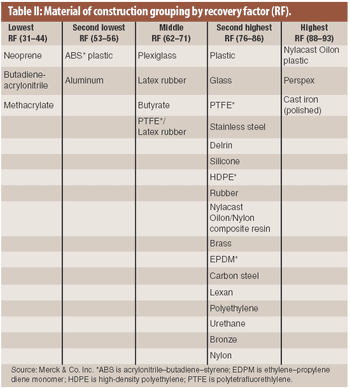
The material of construction is a factor in the recovery of residue in cleaning validation. An analysis of existing recovery data showed that recovery factors for drug products on various materials of construction may be categorized into several groupings.
Pharmaceutical Technology Europe
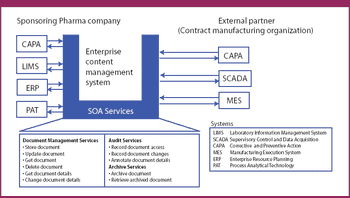
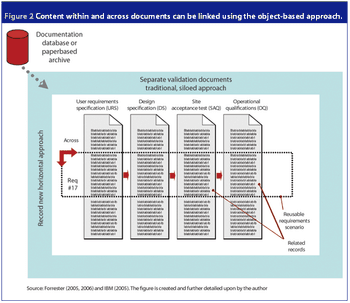
An electronic object-based approach towards validation is forecasted to be the upcoming validation paradigm supported by reliable web-based technology, organizational focus on risk management and overall enterprise effectiveness.
ePT--the Electronic Newsletter of Pharmaceutical Technology
Company and People Notes: Evotec and Renovis enter agreement, Amgen to lay off 675 workers, more.
ePT--the Electronic Newsletter of Pharmaceutical Technology
Company and People Notes: Catalent expands Bolton, UK, warehouse; Biotica appoints Edward E. Hodgkin as CEO and director; more.
ePT--the Electronic Newsletter of Pharmaceutical Technology
Company and People Notes: Baxter and Halozyme Expand Relationship, Crucell Names COO, More.
Pharmaceutical Technology Europe
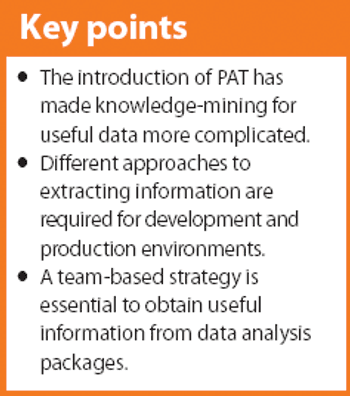
In biomanufacturing, multiple sensors provide a wealth of data that could be used to enhance process understanding and assist in performance improvement. This article looks at how to move from a data-rich environment to one where the data are translated to useful information that leads to knowledge and, ultimately, process improvements.
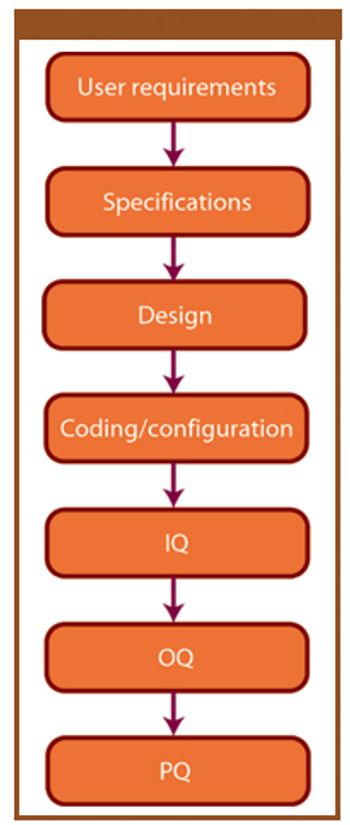
This article provides a historical review of computer validation in the pharmaceutical industry within the last three decades, evolving from the early years' initial concept and approach to today's current practices. Also included is how the regulations and industry have progressed in addressing the topic of computer validation.
Here's a look at some of the most interesting and thematic responses you-our readers-provided for Pharmaceutical Technology's anniversary survey of industry advances and directions.
Pharmaceutical Technology Europe
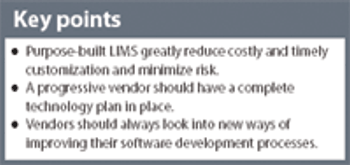
Vendors who insist on using older and outdated technologies will eventually suffer increased pressure to follow the lead of those who adopt new technologies.
ePT--the Electronic Newsletter of Pharmaceutical Technology
Brussels (May 30)-The European Federation of Pharmaceutical Industries and Associations (EFPIA) called for the pan-European and industry-wide adoption of 2-D barcode technology to combat the increase in counterfeit drugs in Europe.
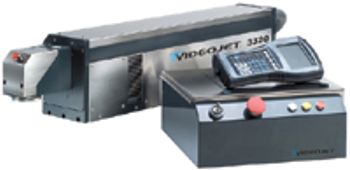
Exhibitors' products prevent counterfeiting, provide child resistance, protect product quality, and improve packaging-line efficiency.